
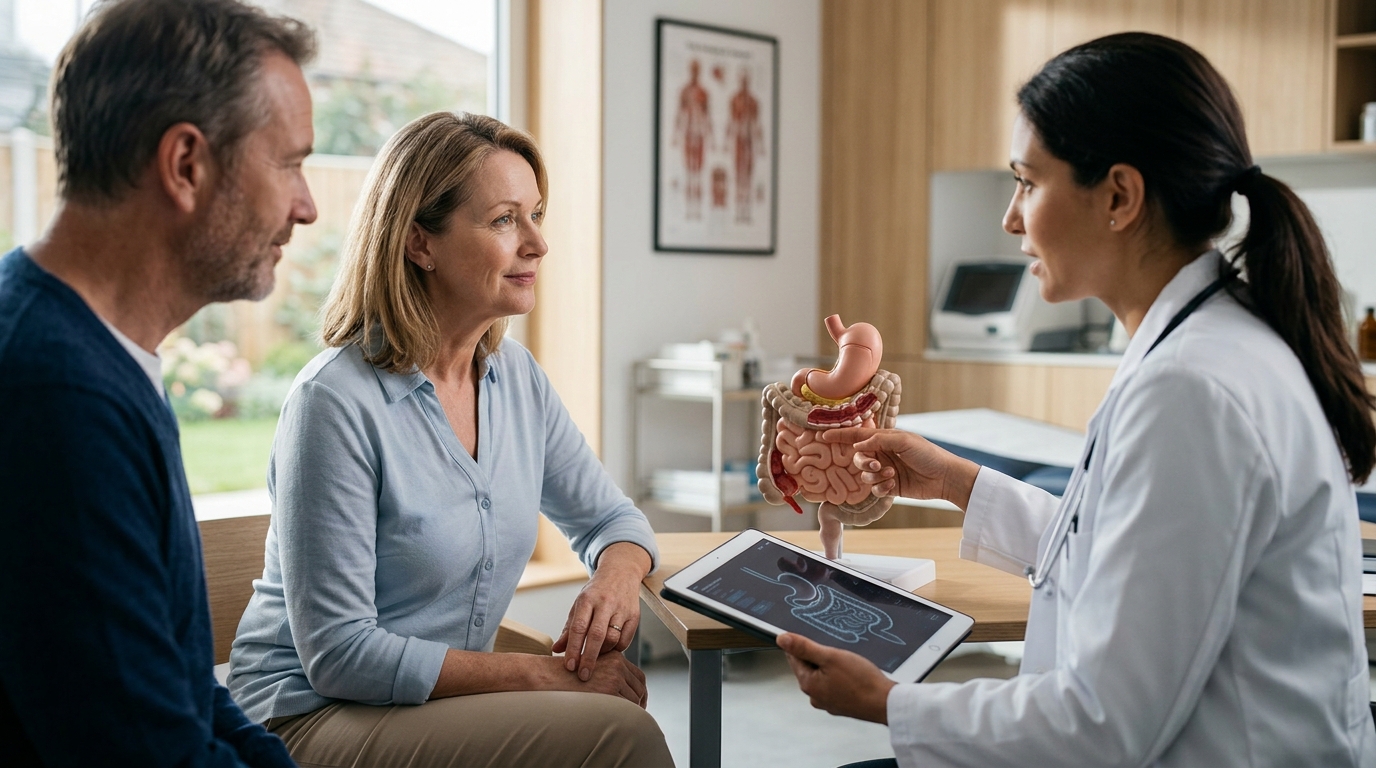
Gastrointestinal diagnostics are critical for early disease detection and effective treatment planning. According to the American College of Gastroenterology, over 10 million endoscopic procedures are performed annually in the United States alone, highlighting the widespread reliance on these minimally invasive techniques for digestive health. Understanding the specific indications for each procedure ensures patients receive the correct diagnostic tool for their symptoms, avoiding unnecessary discomfort or missed diagnoses. This guide clarifies the fundamental differences between upper endoscopy and colonoscopy to help you navigate your healthcare journey with confidence.
What Is an Endoscopy?
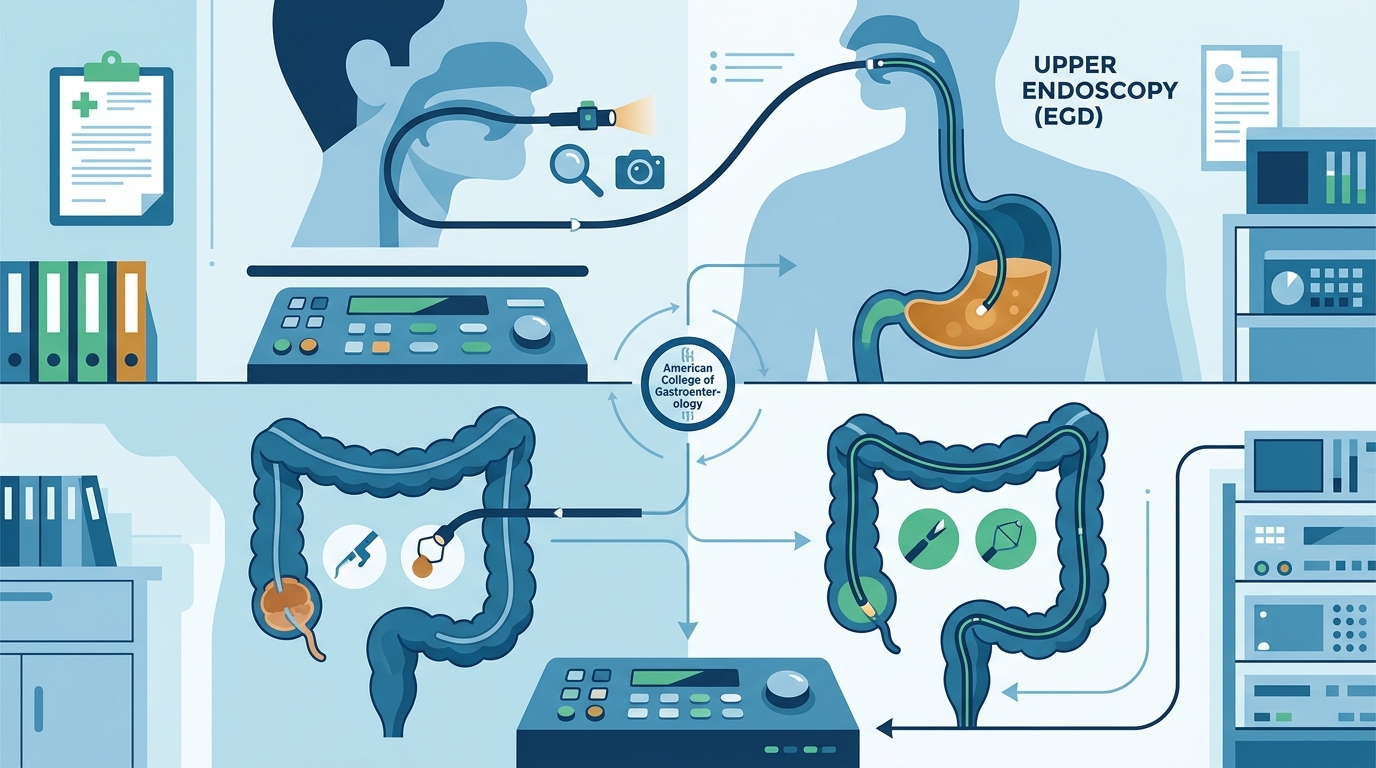
An upper endoscopy, medically known as esophagogastroduodenoscopy (EGD), is a procedure that allows doctors to examine the upper part of your digestive tract. This includes the esophagus, stomach, and the first part of the small intestine, known as the duodenum. The procedure involves passing a flexible tube with a camera and light at the end through your mouth and down into your stomach.
This diagnostic tool is primarily used to investigate symptoms related to the upper gastrointestinal (GI) tract. Common reasons for performing an upper endoscopy include persistent heartburn, difficulty swallowing, unexplained nausea or vomiting, and abdominal pain. During the procedure, the gastroenterologist can also take tissue samples, known as biopsies, or perform therapeutic interventions such as stopping bleeding or dilating narrowed areas.
At 765 Endoscopy, we utilize advanced high-definition imaging technology to ensure precise visualization of the mucosal lining. This allows for the early detection of conditions such as gastroesophageal reflux disease (GERD), ulcers, and Barrett's esophagus. The procedure is typically performed under conscious sedation, ensuring patient comfort throughout the examination.
What Is a Colonoscopy?
A colonoscopy is a diagnostic procedure that allows doctors to examine the entire length of the large intestine, also known as the colon, and the rectum. Similar to an upper endoscopy, it uses a flexible tube with a camera, but it is inserted through the rectum rather than the mouth. This procedure is the gold standard for colorectal cancer screening and the detection of precancerous polyps.
The primary goal of a colonoscopy is preventive care. It enables the removal of polyps before they have the chance to develop into cancer. Additionally, it helps diagnose the cause of symptoms such as rectal bleeding, chronic diarrhea, constipation, and unexplained weight loss. Regular screening is crucial, as colorectal cancer is one of the most common forms of cancer worldwide.
Our team at 765 Endoscopy emphasizes patient safety and thoroughness during colonoscopies. We adhere to strict protocols for bowel preparation and procedure execution to maximize the detection rate of abnormalities. Early detection through routine colonoscopy significantly reduces mortality rates associated with colorectal cancer, making it an essential component of preventive healthcare.
Key Differences in Preparation and Procedure
While both procedures involve the use of an endoscope, the preparation and anatomical focus differ significantly. Understanding these differences is vital for patient compliance and accurate diagnostic results.
Preparation Protocols
Upper endoscopy preparation is generally less invasive. Patients are typically required to fast for six to eight hours before the procedure to ensure the stomach is empty. This reduces the risk of aspiration during sedation. In contrast, colonoscopy preparation requires a rigorous bowel cleansing regimen. Patients must follow a clear liquid diet for 24 hours prior and consume a strong laxative solution to completely empty the colon. This ensures that the mucosal lining is visible and not obscured by stool.
Anatomical Focus
The anatomical regions examined are distinct. An upper endoscopy focuses on the esophagus, stomach, and duodenum. It is ideal for diagnosing conditions like hiatal hernias, gastritis, and celiac disease. A colonoscopy focuses on the large intestine and rectum. It is the primary tool for screening for colorectal cancer, inflammatory bowel disease (IBD), and diverticulosis.
Symptoms That Determine the Choice
Choosing between these procedures depends entirely on the location of the symptoms and the suspected pathology. Misdiagnosis can lead to ineffective treatment plans. Below is a summary of common indications for each procedure.
| Symptom / Condition | Recommended Procedure | Primary Diagnostic Goal |
|---|---|---|
| Heartburn / Acid Reflux | Upper Endoscopy | Assess esophageal damage and rule out Barrett's esophagus |
| Difficulty Swallowing | Upper Endoscopy | Identify strictures or tumors in the esophagus |
| Rectal Bleeding | Colonoscopy | Locate source of bleeding, such as hemorrhoids or polyps |
| Chronic Diarrhea | Colonoscopy | Diagnose inflammatory bowel disease or microscopic colitis |
| Abdominal Pain (Upper) | Upper Endoscopy | Check for ulcers or gastritis |
| Abdominal Pain (Lower) | Colonoscopy | Rule out diverticulitis or colitis |
It is important to note that some patients may require both procedures if they present with symptoms affecting both the upper and lower GI tracts. For instance, a patient with weight loss and both upper abdominal pain and changes in bowel habits might need a comprehensive evaluation involving both an EGD and a colonoscopy.
Risks and Recovery Times
Both procedures are considered safe, but they carry specific risks and recovery profiles. Understanding these helps in setting realistic expectations.
Upper Endoscopy Risks
Complications from upper endoscopy are rare but can include bleeding, perforation of the esophagus or stomach, and adverse reactions to sedation. Recovery is typically quick, with most patients resuming normal activities within 24 hours. Sore throat is a common temporary side effect due to the passage of the scope through the mouth.
Colonoscopy Risks
Colonoscopy risks include bleeding from biopsy sites or polyp removal, perforation of the colon wall, and reactions to sedation. The bowel preparation process can cause dehydration and electrolyte imbalances if not managed properly. Recovery is also generally swift, but patients may experience bloating or cramping due to air insufflation during the procedure.
For more detailed information on patient preparation and what to expect, visit our Patient Resources page. We provide comprehensive guides to help you prepare effectively for your upcoming procedure.
Key Takeaways
- Anatomical Distinction: Upper endoscopy examines the esophagus, stomach, and duodenum, while colonoscopy examines the large intestine and rectum.
- Preparation Intensity: Colonoscopy requires a rigorous bowel cleansing regimen, whereas upper endoscopy only requires fasting.
- Primary Use Case: Upper endoscopy is used for diagnosing GERD, ulcers, and swallowing issues. Colonoscopy is the gold standard for colorectal cancer screening.
- Symptom Correlation: Upper abdominal pain and heartburn suggest an upper endoscopy, while lower abdominal pain and rectal bleeding suggest a colonoscopy.
- Therapeutic Capability: Both procedures allow for biopsies and therapeutic interventions, such as polyp removal or bleeding control.
- Screening Guidelines: Average-risk individuals should begin colonoscopy screening at age 45, according to current guidelines from the American Cancer Society.
- Recovery Time: Both procedures have short recovery times, with most patients returning to normal activities within 24 hours.
Frequently Asked Questions
Can I have both an endoscopy and a colonoscopy at the same time?
Yes, it is common and safe to perform both an upper endoscopy and a colonoscopy during the same session. This approach, often called a "bidirectional endoscopy," allows for a comprehensive evaluation of the entire gastrointestinal tract under a single sedation event, reducing overall recovery time and inconvenience.
Which procedure is more painful?
Neither procedure is typically painful due to the use of sedation. However, the preparation for a colonoscopy is often considered more uncomfortable due to the bowel cleansing process. Upper endoscopy preparation is simpler, involving only fasting. Post-procedure, both may cause mild soreness, but severe pain is rare.
How often should I get a colonoscopy?
For average-risk individuals, a colonoscopy is recommended every 10 years if no polyps are found. If polyps are detected, the interval may be shorter, such as every 3 to 5 years, depending on the type and number of polyps. Your gastroenterologist will determine the appropriate schedule based on your personal and family medical history.
What are the signs that I need an upper endoscopy?
Common signs include persistent heartburn, difficulty swallowing, chronic nausea, vomiting, unexplained weight loss, and upper abdominal pain. If you experience these symptoms for more than a few weeks, consult with a specialist to determine if an upper endoscopy is necessary.
Is sedation required for both procedures?
Sedation is commonly used for both procedures to ensure patient comfort and relaxation. For upper endoscopy, conscious sedation is typical. For colonoscopy, deeper sedation or anesthesia is often used due to the longer duration and potential for discomfort during bowel preparation and the procedure itself.
Can diet affect the results of an endoscopy?
Yes, diet plays a critical role. For an upper endoscopy, fasting ensures the stomach is empty, allowing for clear visualization. For a colonoscopy, a clear liquid diet and laxative prep are essential to remove all stool, ensuring no abnormalities are missed. Deviating from these dietary instructions can lead to incomplete exams and the need for repeat procedures.
What is the success rate of these procedures?
Both procedures have high diagnostic and therapeutic success rates. Upper endoscopy is highly effective in diagnosing GERD, ulcers, and celiac disease. Colonoscopy is over 95% effective in detecting colorectal cancer and precancerous polyps when performed correctly. Adherence to preparation guidelines is the key factor in achieving these high success rates.
Schedule Your Consultation
Choosing the right diagnostic procedure is a critical step in maintaining your gastrointestinal health. Whether you are experiencing symptoms that require an upper endoscopy or are due for your routine colonoscopy screening, our team at 765 Endoscopy is here to provide expert care. We are committed to delivering precise diagnostics and compassionate service in a comfortable environment.
Do not wait to address your digestive health concerns. Contact us today to schedule your appointment and take the first step toward better health. Our specialists will guide you through the preparation process and ensure you receive the most appropriate care for your individual needs.