
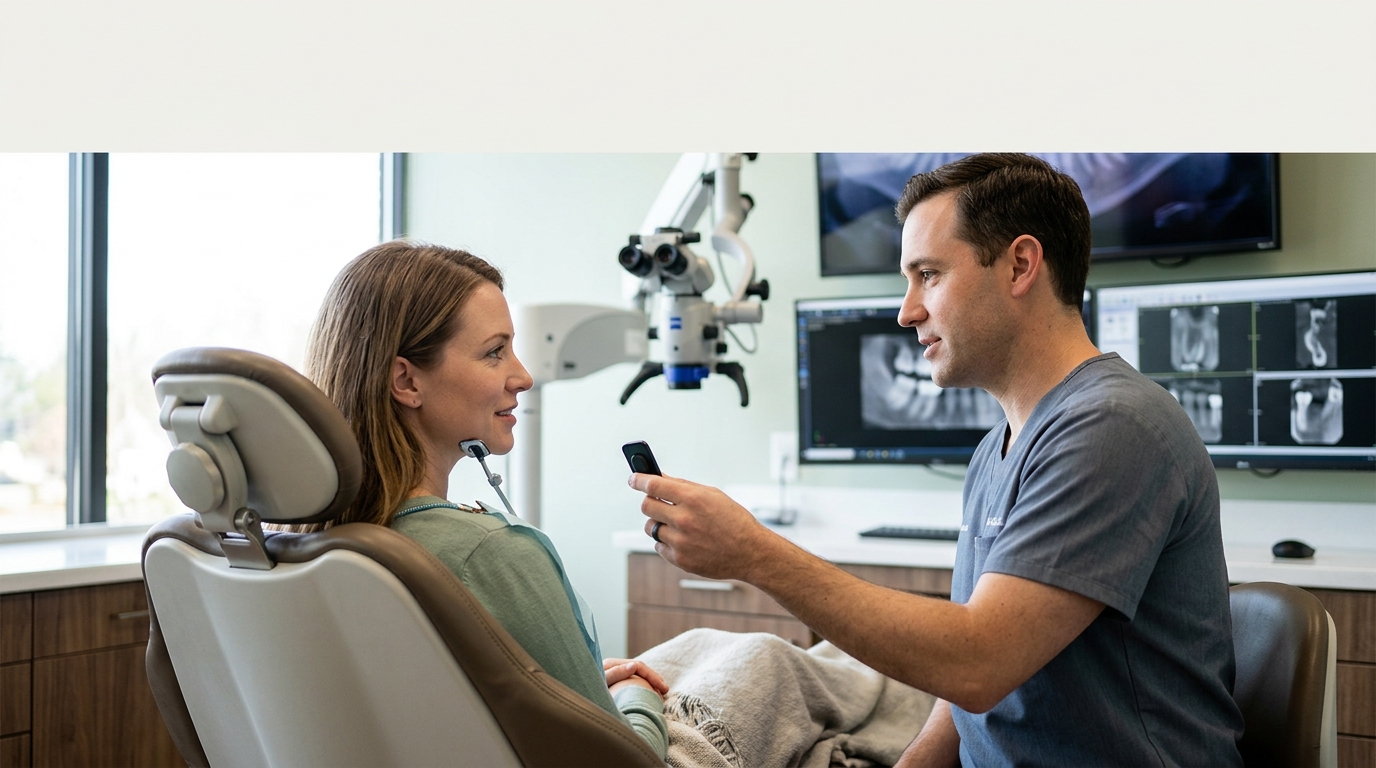
Endodontists identify inflamed pulp by combining clinical symptom analysis with advanced diagnostic imaging and sensibility testing. They treat the condition by removing the infected tissue and sealing the canal system to prevent reinfection. At Richmond Endodontics, Dr. Benjamin Adams utilizes state-of-the-art technology to accurately diagnose and resolve these issues, ensuring patients in Eastern Indiana and Western Ohio receive precise, comfortable care.
Understanding Pulp Inflammation
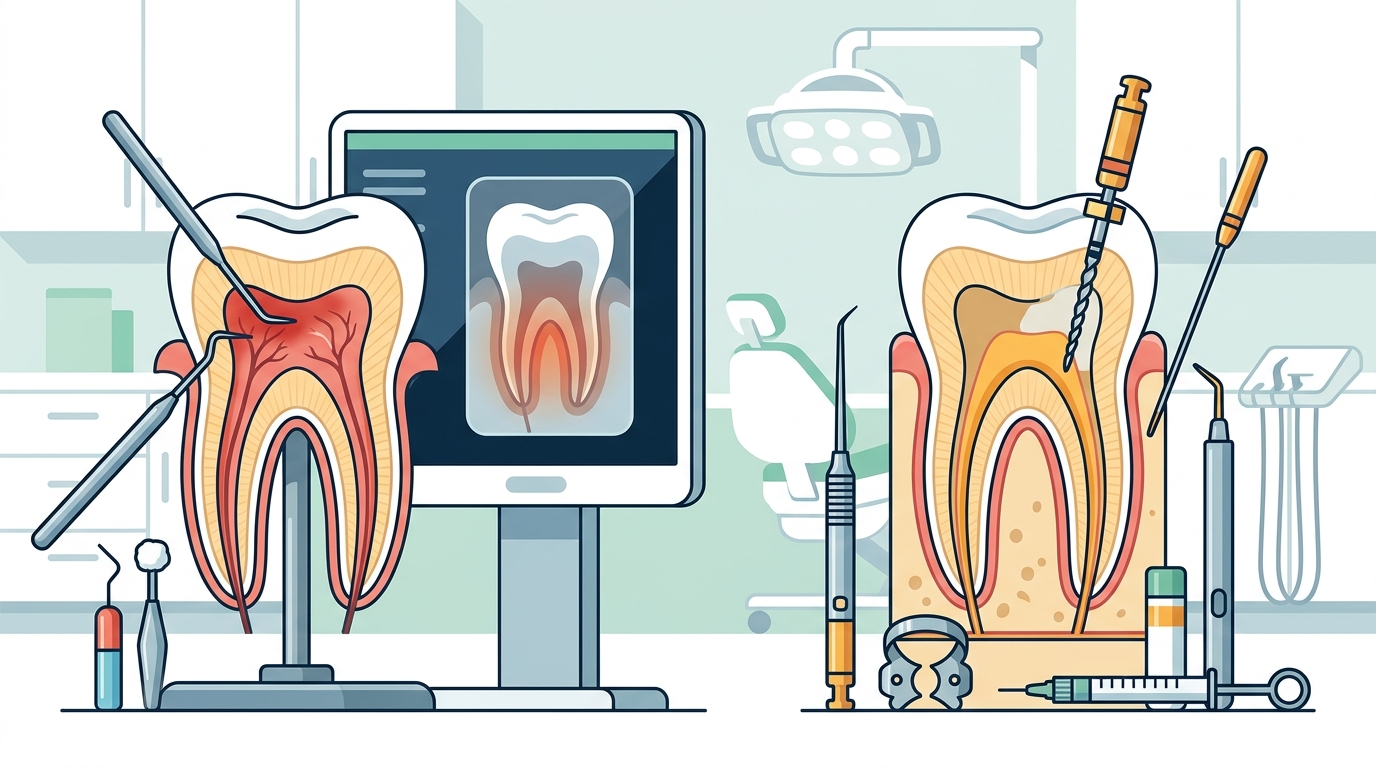
Pulpitis is the inflammatory response of the dental pulp to microbial challenge, ranging from mild irritation to severe infection. The pulp is a collection of blood vessels, nerves, and connective tissue located at the center of the tooth. When this tissue becomes inflamed, it often results in significant pain and sensitivity to temperature or pressure. Understanding the nature of the inflammation is the first step in determining the appropriate treatment plan.
Research indicates that the traditional classification of pulpitis as reversible or irreversible may not always reflect the true healing potential of the tissue. A study published in Frontiers in Dental Medicine suggests that minimally invasive approaches can sometimes preserve part of the pulp even in teeth displaying signs of irreversible pulpitis. This nuance is critical for endodontists, as it influences whether a tooth can be saved with conservative therapy or requires full root canal treatment.
Advanced Diagnostic Methods
Accurate diagnosis relies on a combination of subjective patient reports and objective clinical tests. Endodontists use pulp sensibility tests, such as the electric pulp test and cold test, to evaluate the nerve's response to stimuli. However, these tests have inherent limitations, as they depend on patient cooperation and can be affected by nervousness or inadequate isolation. A preliminary study in PMC notes that treatment plans based solely on clinical signs may sometimes lead to overly aggressive intervention, removing salvageable pulp tissue.
To mitigate these risks, modern endodontic practices employ advanced imaging technologies. At Richmond Endodontics, we utilize PreXion CBCT imaging, which provides highly detailed 3D views of the tooth and surrounding structures. This technology allows us to visualize hidden canals and detect pathology that is invisible on traditional 2D x-rays. By combining 3D imaging with careful clinical testing, we can achieve a more accurate diagnosis and avoid unnecessary procedures.
Treatment Approaches for Inflamed Pulp
Once a diagnosis is confirmed, the treatment goal is to eliminate the source of inflammation and infection. For many patients, this involves root canal treatment, a procedure that removes the damaged pulp and cleans the interior of the tooth. The American Association of Endodontists (AAE) emphasizes that providing accurate pulpal and periapical diagnoses is decisive for treatment planning and prognosis. In 2008, the AAE conducted a consensus conference to standardize diagnostic terminology, ensuring that specialists and general practitioners use a common language for these conditions.
At Richmond Endodontics, we utilize the GentleWave® system, which uses acoustic streaming and advanced fluid dynamics to thoroughly clean and disinfect the root canal system. This technology improves success rates by reaching areas that traditional irrigation might miss. Additionally, we use EdgePro® laser disinfection to enhance healing and reduce the risk of reinfection. These advanced techniques ensure that the tooth is thoroughly cleaned before being sealed, promoting long-term health and function.
Managing Sensitivity and Pain
Pain management is a critical component of endodontic care. Patients often fear that root canal treatment will be painful, but modern anesthesia techniques have significantly improved the patient experience. We utilize X-Tip Anesthesia, which allows for faster and more comfortable injections, reducing discomfort during the procedure. This approach helps patients feel at ease, knowing that their treatment will be as pain-free as possible.
After treatment, some patients may experience mild sensitivity or soreness for a few days. This is a normal part of the healing process. However, if pain persists or worsens, it is important to contact your endodontist promptly. At Richmond Endodontics, we prioritize patient comfort and provide clear instructions for post-operative care. Our team is available to address any concerns and ensure that you are on the path to recovery.
Key Takeaways
- Pulpitis is an inflammatory response of the dental pulp to microbial challenge, often causing pain and sensitivity.
- Accurate diagnosis requires a combination of clinical tests and advanced imaging, such as CBCT, to avoid overly aggressive treatment.
- Minimally invasive approaches may preserve part of the pulp in some cases, but full root canal treatment is often necessary for severe inflammation.
- Advanced technologies like GentleWave® and EdgePro® enhance the cleaning and disinfection of the root canal system, improving long-term outcomes.
- Modern anesthesia techniques, such as X-Tip, ensure a comfortable and pain-free treatment experience.
- Post-treatment sensitivity is common but should be monitored; persistent pain requires immediate follow-up with your endodontist.
Frequently Asked Questions
What is the difference between reversible and irreversible pulpitis?
Reversible pulpitis is a mild inflammation that can heal with the removal of the irritant, such as a cavity. Irreversible pulpitis is a more severe condition where the pulp is damaged beyond repair and requires root canal treatment.
How accurate are pulp sensibility tests?
Pulp sensibility tests are useful but have limitations. They depend on patient cooperation and can be affected by nervousness. Advanced imaging, such as CBCT, is often used to supplement these tests for a more accurate diagnosis.
Is root canal treatment painful?
No, root canal treatment is typically not painful. Modern anesthesia techniques, such as X-Tip, ensure that the area is completely numb before the procedure begins. Most patients report feeling only mild pressure or discomfort.
How long does it take to recover from a root canal?
Most patients recover within a few days. Mild soreness is common, but it should subside with over-the-counter pain medication. If pain persists or worsens, contact your endodontist for follow-up.
Can a tooth with inflamed pulp be saved without a root canal?
In some cases, minimally invasive approaches may preserve part of the pulp. However, for severe inflammation or infection, root canal treatment is usually the best option to save the tooth and prevent extraction.
Conclusion
Identifying and treating inflamed pulp requires a careful balance of clinical expertise and advanced technology. By utilizing precise diagnostic tools and innovative treatment methods, endodontists can effectively resolve pain and save natural teeth. At Richmond Endodontics, we are committed to providing the highest standard of care for patients in Eastern Indiana and Western Ohio. If you are experiencing tooth sensitivity or pain, to schedule a consultation and take the first step toward relief.