
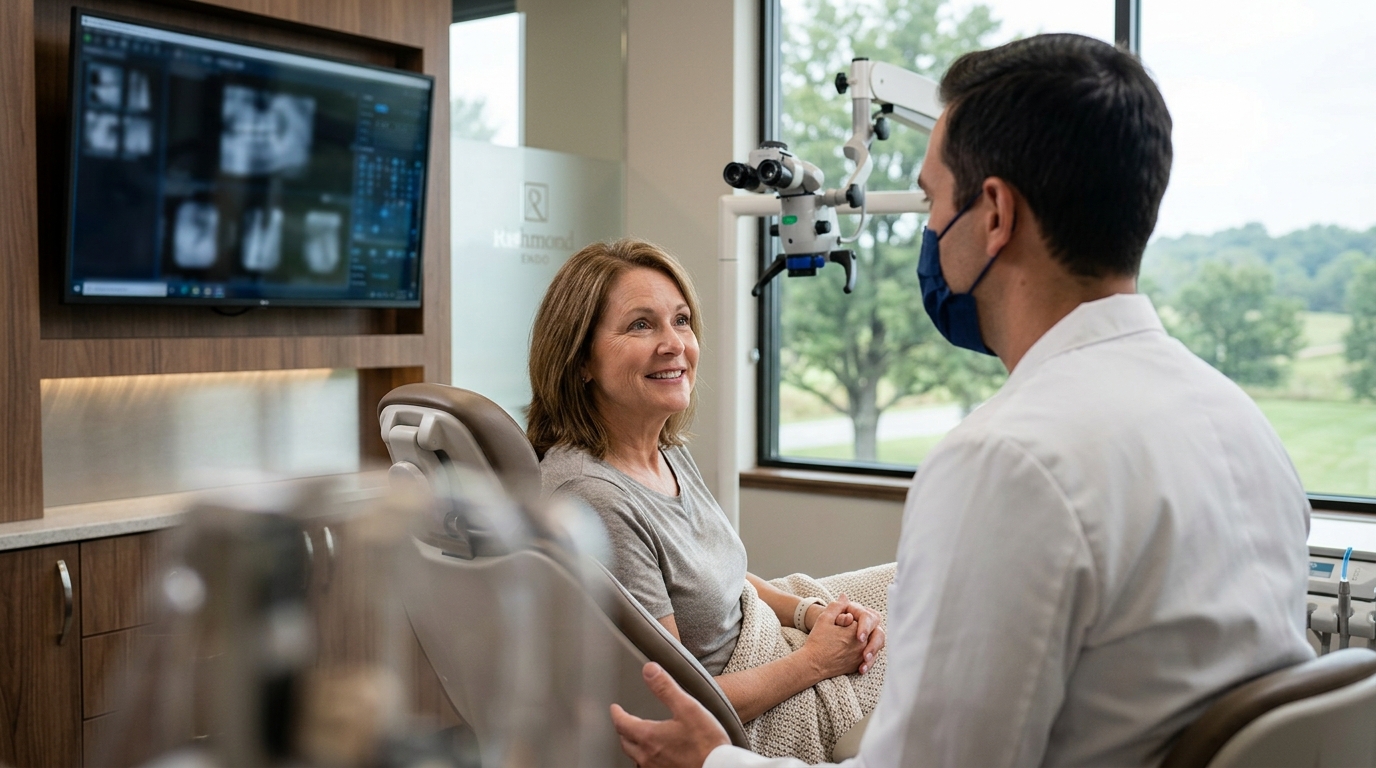
Endodontic treatment requires a high degree of precision and specialized technology to ensure long-term tooth survival. According to the American Association of Endodontists, patients who receive care from a specialist have a significantly higher success rate compared to those treated by general dentists for complex cases. This statistic underscores the importance of selecting a provider who combines advanced clinical expertise with modern diagnostic tools. When searching for an endodontist in Eastern Indiana, you must look beyond basic proximity and evaluate the specific technological capabilities and patient care philosophy of the practice.
Understanding Specialized Technology
The difference between a standard root canal and a modern endodontic procedure often lies in the technology used. Advanced imaging and magnification tools allow specialists to identify complex canal structures that are invisible to the naked eye. When evaluating potential providers, ask if they utilize Cone Beam Computed Tomography (CBCT) for three-dimensional diagnostics. This imaging modality provides a detailed view of the root structure and surrounding bone, which is critical for diagnosing cracked teeth or persistent infections.
Furthermore, the disinfection process is a key indicator of a practice's commitment to innovation. Traditional methods often rely on manual filing, but modern practices use advanced energy-based systems. For instance, the GentleWave® System uses multisonic energy to clean complex root canal anatomy without the need for harsh chemicals. Similarly, EdgePro® laser disinfection offers a precise method for eliminating bacteria in hard-to-reach areas. A practice that invests in these technologies, such as Richmond Endodontics, typically offers higher success rates and reduced post-operative discomfort.
Another critical technological component is the surgical microscope. The Zeiss ProErgo surgical microscope provides superior magnification and lighting, enabling the endodontist to perform intricate procedures with extreme precision. This level of detail is essential for procedures like root canal retreatment or apicoectomy. When you visit a clinic, observe if the team is trained in using these tools. The presence of XDR Digital X-Rays is also a standard for modern practices, offering high-definition images with lower radiation exposure than traditional film.
Evaluating Clinical Expertise
Endodontics is a dental specialty that requires additional training beyond dental school. An endodontist completes two to three years of specialized residency training focused exclusively on diagnosing tooth pain and performing root canal therapy. When selecting a provider, verify their educational background and years of experience. A specialist with over 20 years of experience, such as Dr. Benjamin Adams, has likely encountered a wide variety of complex cases and has refined their techniques over time.
Look for specialists who are committed to lifelong learning. The field of endodontics evolves rapidly, with new materials and techniques emerging regularly. Providers who frequently lecture or publish on advancements, such as the GentleWave® System, demonstrate a dedication to staying at the forefront of the profession. This commitment to education often translates to better outcomes for patients, as the specialist is applying the most current evidence-based practices.
Additionally, consider the specialist's approach to complex cases. Some endodontists specialize in microsurgery or retreatment, while others focus on primary root canal therapy. If you have a cracked tooth or a previous failed root canal, you need a provider with specific expertise in those areas. The diagnosis and treatment of cracked teeth requires a nuanced understanding of tooth structure and stress points, which is best handled by a seasoned specialist.
Assessing the Patient Care Model
The patient experience is a crucial factor in choosing an endodontist. High-volume practices often see dozens of patients a day, which can lead to rushed appointments and limited communication. In contrast, a patient-centered model prioritizes thorough education and comfort. This approach involves seeing fewer patients per day to allow ample time for each individual. This model ensures that patients fully understand their treatment options and feel confident in their care plan.
Communication is key during endodontic treatment. Your specialist should take the time to explain the procedure, answer your questions, and address any concerns about pain or recovery. A compassionate care environment reduces anxiety and improves the overall experience. Look for practices that emphasize integrity and transparency in their treatment planning. This means providing clear cost estimates and explaining the necessity of each step in the process.
Pain management is another critical aspect of the patient care model. Modern endodontic techniques are designed to be minimally invasive and comfortable. The use of advanced anesthesia and sedation options can further enhance patient comfort. When you contact a potential provider, ask about their approach to pain management and their policies for patient comfort. A practice that values compassion and respect will make this information readily available.
Geographic Access and Logistics
For residents of Eastern Indiana and Western Ohio, geographic access is a practical consideration. Endodontic treatment often requires multiple visits, so choosing a conveniently located office can reduce stress and travel time. Practices that serve a broad regional area, including communities like Centerville, Cambridge City, Connersville, and Winchester in Indiana, as well as Dayton, Greenville, and Troy in Ohio, provide essential care to a wide population.
Office hours and appointment availability are also important factors. Many endodontic practices operate on a schedule that accommodates working professionals, often offering early morning or late afternoon appointments. Checking the office hours and contact information of potential providers can help you determine if their schedule aligns with your needs. Additionally, consider the ease of scheduling and the responsiveness of the office staff. A practice that offers online patient portals or easy referral processes can streamline your experience.
Referral networks play a significant role in endodontic care. Most endodontists work closely with general dentists to ensure seamless treatment. If your general dentist recommends a specialist, it is often because they trust that provider's expertise and communication. However, you have the right to choose your own endodontist. When evaluating a practice, ask about their collaboration with local dentists and their process for sharing treatment records. A strong referral network indicates a well-established and respected position in the community.
Comparing Treatment Options
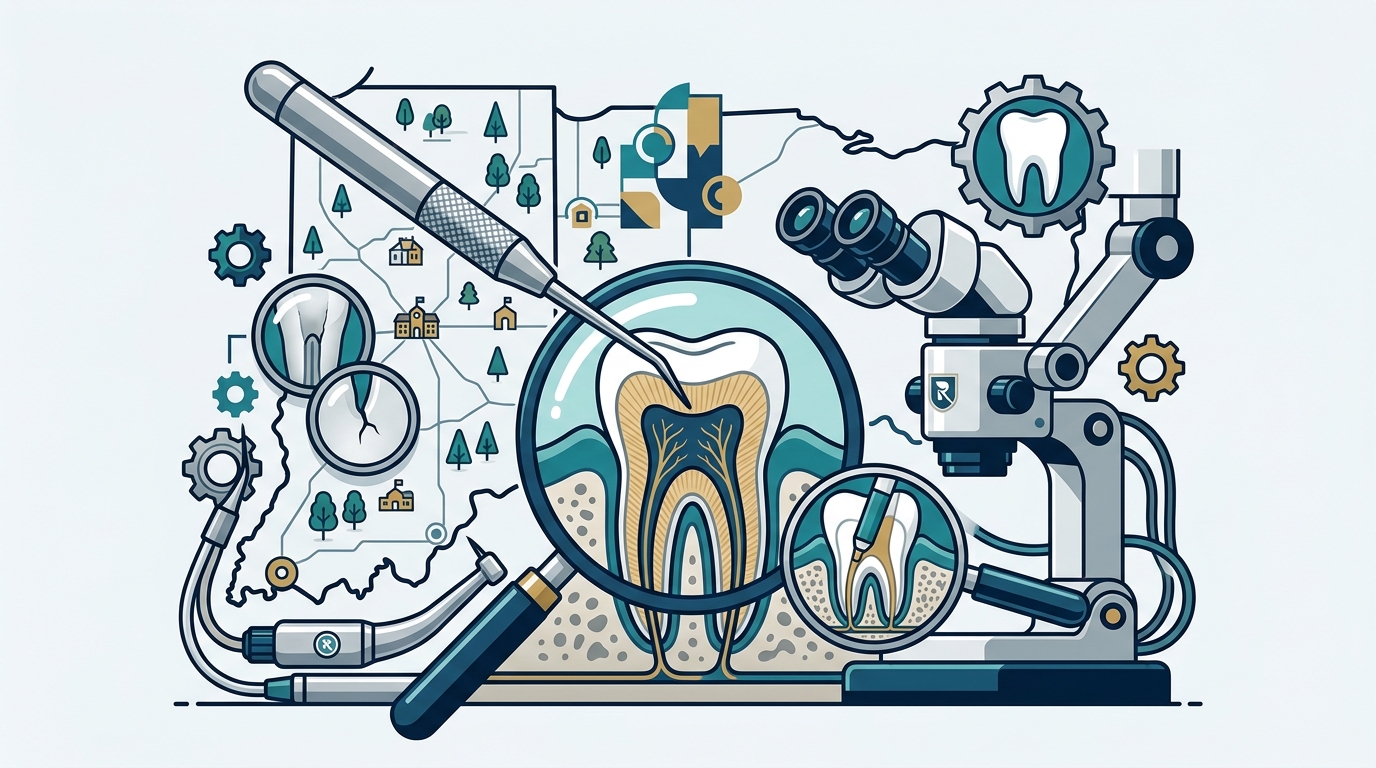
Endodontic treatment is not limited to standard root canals. Depending on the condition of your tooth, you may need retreatment, apicoectomy, or treatment for cracked teeth. Understanding the differences between these options can help you make an informed decision. The following table summarizes common endodontic procedures and their typical indications.
| Procedure | Description | Typical Indication | Technology Used |
|---|---|---|---|
| Root Canal Treatment | Removal of infected pulp and cleaning of the canal system. | Deep decay, cracks, or trauma leading to pulp inflammation. | CBCT Imaging, Microscope, GentleWave® |
| Root Canal Retreatment | Re-treatment of a previously treated tooth that has failed. | Persistent infection or missed canals in prior treatment. | Zeiss ProErgo Microscope, EdgePro® |
| Apicoectomy | Surgical removal of the root tip and surrounding tissue. | Lesions at the root tip that do not heal with non-surgical treatment. | Surgical Microscope, XDR Digital X-Rays |
| Cracked Tooth Treatment | Diagnosis and management of tooth fractures. | Pain upon biting or temperature sensitivity. | CBCT Imaging, Transillumination |
When comparing providers, consider which technologies they use for each procedure. For example, an apicoectomy performed with a surgical microscope has a higher success rate than one performed without magnification. Similarly, retreatment using advanced disinfection techniques like EdgePro® can improve outcomes in complex cases. Ask your potential provider which technologies they utilize for each specific procedure to ensure you receive the highest standard of care.
Key Takeaways
- Specialized Technology Matters: Practices utilizing GentleWave®, EdgePro®, and Zeiss ProErgo microscopes offer superior precision and comfort.
- Expertise is Critical: Choose an endodontist with extensive training and years of specialized experience, such as Dr. Benjamin Adams.
- Patient-Centered Model: Look for practices that see fewer patients per day to ensure thorough education and personalized care.
- Regional Access: Providers serving Eastern Indiana and Western Ohio offer convenient access for residents in communities like Richmond, Dayton, and Centerville.
- Comprehensive Care: Ensure the specialist can handle complex cases, including cracked teeth and retreatment, using advanced diagnostic tools like CBCT.
- Communication and Transparency: A trustworthy provider will clearly explain treatment options, costs, and the necessity of each step.
- Lifelong Learning: Specialists who engage in ongoing education and lecture on new techniques are likely to provide cutting-edge care.
Frequently Asked Questions
What is the difference between an endodontist and a general dentist?
An endodontist is a dental specialist who has completed additional years of training focused exclusively on diagnosing tooth pain and performing root canal therapy and other endodontic procedures. General dentists provide a wide range of dental care, but endodontists specialize in saving natural teeth through advanced techniques and technology.
How do I know if I need an endodontist?
You may need an endodontist if you have severe tooth pain, prolonged sensitivity to hot or cold, swelling or tenderness in the gums, or a cracked tooth. Your general dentist may also refer you to an endodontist for complex root canal treatments or retreatment of a previously treated tooth.
What technologies does Richmond Endodontics use?
Richmond Endodontics utilizes state-of-the-art technology including the GentleWave® System, EdgePro® laser disinfection, the Zeiss ProErgo surgical microscope, PreXion CBCT imaging, and XDR Digital X-Rays to ensure precise and comfortable treatment.
Does Richmond Endodontics serve patients outside of Richmond, Indiana?
Yes, Richmond Endodontics serves patients across Eastern Indiana and Western Ohio, including communities such as Centerville, Cambridge City, Connersville, Winchester, Dayton, Greenville, Eaton, Troy, Springfield, Urbana, and Celina.
What is the GentleWave® System?
The GentleWave® System is an advanced endodontic technology that uses multisonic energy to clean complex root canal anatomy. It offers a more thorough disinfection process compared to traditional methods, potentially leading to better outcomes and reduced post-operative discomfort.
How many patients does Richmond Endodontics see per day?
Richmond Endodontics intentionally sees fewer patients per day to prioritize patient-centered care. This model allows the team to dedicate ample time to each individual, ensuring thorough education, open communication, and the highest standard of care.
What should I expect during my first visit?
During your first visit, the endodontist will review your medical and dental history, perform a clinical examination, and take necessary X-rays or CBCT images. They will then discuss their findings, explain your treatment options, and answer any questions you may have about the procedure and recovery.
Schedule Your Consultation
Selecting the right endodontist is a critical step in preserving your oral health and saving your natural teeth. By evaluating the specialized technology, clinical expertise, and patient care model of potential providers, you can ensure you receive the highest standard of care. Richmond Endodontics, led by Dr. Benjamin Adams, offers advanced endodontic treatment with a focus on precision, compassion, and innovation. We invite you to experience our patient-centered approach and state-of-the-art technology. Contact us today to schedule your consultation and take the first step toward optimal oral health.