
Choosing an Endodontist for Cracked Tooth Treatment in Richmond, Indiana
Cracked tooth syndrome affects millions of adults annually, often causing sharp pain when biting or sensitivity to temperature changes. According to the American Association of Endodontists, cracked teeth are a common reason for emergency dental visits, yet many patients delay treatment until the fracture extends into the pulp. This delay can turn a saveable tooth into a lost one. Finding the right specialist in Richmond, Indiana, requires looking beyond general dentistry to providers who utilize advanced imaging and minimally invasive disinfection technologies. This guide outlines the critical factors for selecting an endodontist who can preserve your natural tooth structure with precision and care. (About Our Office Richmond)
Understanding the Diagnostic Challenges of Cracked Teeth
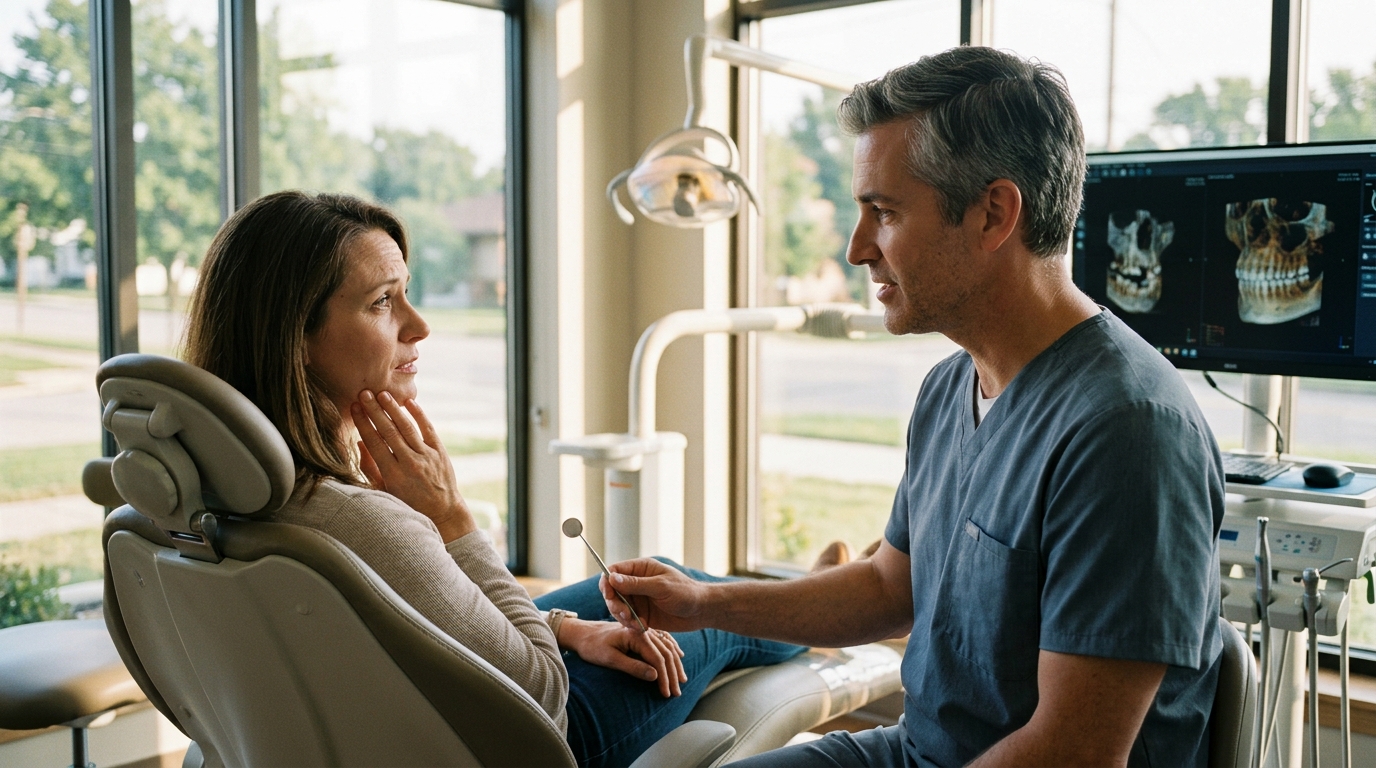
Diagnosing a cracked tooth is notoriously difficult because the fracture lines are often microscopic. Standard dental X-rays frequently fail to reveal these cracks, leading to misdiagnosis or delayed treatment. This is where the expertise of a board-certified endodontist becomes invaluable. These specialists focus exclusively on the interior of the tooth and the surrounding bone, giving them a deeper understanding of complex root anatomy.
Cracked teeth are defined as fractures that extend from the chewing surface of the tooth down toward the root. The severity of the crack determines the treatment path. If the crack is superficial, a crown may suffice. However, if the fracture reaches the pulp, the nerve tissue becomes infected or inflamed, necessitating root canal therapy. Without prompt intervention, bacteria can invade the pulp chamber, leading to abscesses and bone loss. Early diagnosis is the single most important factor in saving the tooth.
Patients often describe the pain as intermittent or sharp upon release of biting pressure. This specific symptom pattern is a hallmark of cracked tooth syndrome. General dentists play a crucial role in initial detection, but they rely on endodontists for definitive diagnosis and complex treatment. The collaboration between general dentists and specialists ensures that patients receive seamless, expert treatment for all their oral health needs.
Why Advanced Technology Matters in Treatment
The success of cracked tooth treatment relies heavily on the technology used by the endodontist. Traditional methods often involve manual instrumentation, which can leave behind microscopic debris in the complex root canal system. Modern endodontics has shifted toward advanced disinfection protocols that significantly improve healing outcomes and reduce the risk of reinfection.
One of the most significant advancements in the field is the use of acoustic energy for cleaning. The GentleWave® System uses multi-frequency acoustic energy to clean and disinfect the root canal system without the need for harsh chemicals or extensive mechanical filing. This approach is particularly beneficial for cracked teeth, where preserving the remaining tooth structure is critical for long-term stability. As one of the few practices in the country offering GentleWave®, Richmond Endodontics provides patients with access to this cutting-edge technology.
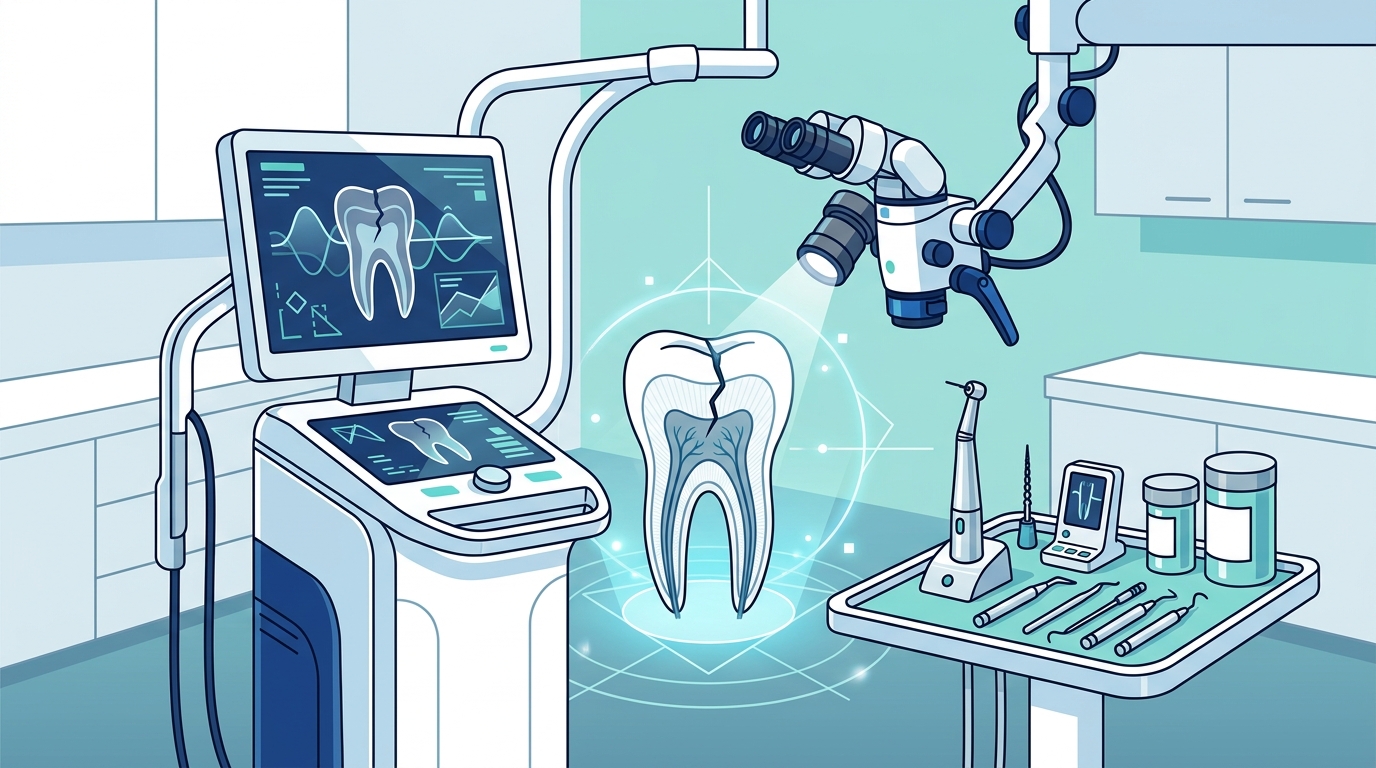
Another critical tool is the Zeiss ProErgo surgical microscope. This device offers superior magnification and lighting, enabling the specialist to detect the finest details in the root canal system that are often invisible to the naked eye. For cracked teeth, identifying the exact path of the fracture is essential for successful treatment. The microscope allows for precise navigation of complex canal anatomy, ensuring that all infected tissue is removed while healthy structure is preserved.
Additionally, PreXion CBCT imaging provides highly detailed 3D imaging with lower radiation exposure compared to traditional x-rays. This technology allows the endodontist to visualize the tooth and surrounding structures with unparalleled clarity. By understanding the three-dimensional relationship between the crack, the pulp, and the surrounding bone, the specialist can develop a more accurate and effective treatment plan. XDR Digital X-Rays further support this process by providing high-definition images that aid in initial diagnostics.
Root Canal Therapy vs. Extraction
When a tooth is cracked, the primary goal is always to save the natural tooth. Extraction should be considered only when the fracture extends too far below the gum line or compromises the structural integrity of the root beyond repair. Root canal therapy removes the infected or inflamed pulp, cleans the canal system, and seals the tooth to prevent further infection.
| Treatment Option | Best For | Long-Term Outcome | Technology Used |
|---|---|---|---|
| Root Canal Treatment | Cracks extending into the pulp | Tooth preservation with high success rate | GentleWave®, Zeiss Microscope |
| Root Canal Retreatment | Previously treated teeth with new infection | Relief of pain and infection | EdgePro® Laser Disinfection |
| Apicoectomy | Persistent infection at the root tip | Surgical resolution of chronic issues | Zeiss ProErgo Microscope |
| Extraction | Vertical root fractures below bone level | Requires replacement (implant/bridge) | N/A |
Root canal retreatment is another option for teeth that have had previous therapy but are experiencing new symptoms. This procedure involves reopening the tooth, removing the old filling material, and cleaning the canals again. EdgePro® laser disinfection is often used in these cases to ensure thorough cleaning of the complex anatomy. For cases where infection persists at the tip of the root, root canal surgery, or apicoectomy, may be necessary. This minor surgical procedure removes the tip of the root and seals the end of the canal to prevent reinfection.
Key Criteria for Selecting Your Specialist
Choosing the right endodontist involves evaluating several key factors beyond just location. Experience, technology, and patient care philosophy are all critical components of a successful treatment outcome. Here are the essential criteria to consider when making your decision.
1. Experience and Expertise
Look for a specialist with extensive experience in treating cracked teeth. Dr. Benjamin Adams, for example, has over 20 years of expertise in both surgical and non-surgical endodontics. His background includes lecturing nationwide on advancements in endodontics, which indicates a commitment to staying at the forefront of the field. Experience often correlates with the ability to handle complex cases with greater confidence and precision.
2. Adoption of Innovative Technology
As discussed, technology plays a huge role in the success of cracked tooth treatment. Ensure your chosen endodontist utilizes modern tools such as surgical microscopes, CBCT imaging, and advanced disinfection systems like GentleWave®. These technologies not only improve the accuracy of the diagnosis but also enhance patient comfort and recovery time.
3. Patient-Centered Care Philosophy
Endodontic treatment can be anxiety-inducing for many patients. A practice that prioritizes patient comfort will go above and beyond to ensure a stress-free experience. This includes seeing fewer patients per day to allow for ample treatment time, thorough patient education, and open communication. Richmond Endodontics explicitly states its commitment to seeing fewer patients daily to dedicate proper time to each individual, ensuring a comfortable and informative experience.
4. Collaboration with General Dentists
Your general dentist is your primary care provider and should be part of the treatment team. A good endodontist will communicate closely with your dentist to ensure seamless care. This collaboration ensures that the final restoration, such as a crown, is placed correctly to protect the treated tooth from future cracking.
Specialized Care in Eastern Indiana and Western Ohio
For residents of Richmond, Indiana, and surrounding areas, access to high-quality endodontic care is essential. Richmond Endodontics serves patients across Eastern Indiana and Western Ohio, including communities such as Centerville, Cambridge City, Connersville, Winchester, Union City, Portland, Dayton, Greenville, Eaton, Troy, Springfield, Urbana, and Celina. This regional coverage ensures that patients do not need to travel long distances for specialized treatment.
The practice is located at 1427 Chester Blvd. in Richmond, IN 47374. Office hours are designed to accommodate working professionals, with extended hours on Monday through Thursday and early closure on Friday. Patients can contact the office at (765) 939-6355 to schedule a consultation or discuss their specific needs. Payment plans are available to help make treatment more accessible.
Choosing an endodontist in this region means partnering with a team that values integrity, transparency, and lifelong learning. By focusing on precision, compassion, and patient well-being, Richmond Endodontics provides a standard of care that supports optimal oral health. Whether you are dealing with a cracked tooth or other endodontic issues, the right specialist can help you preserve your natural smile for years to come.
Key Takeaways
- Cracked tooth syndrome is a common cause of dental pain, often requiring specialized diagnosis beyond standard X-rays.
- Advanced technology, including the Zeiss ProErgo microscope and GentleWave® system, significantly improves treatment outcomes for cracked teeth.
- Dr. Benjamin Adams brings over 20 years of experience and national recognition in endodontic advancements to his practice.
- Early intervention is critical to prevent infection from spreading to the pulp and surrounding bone.
- Richmond Endodontics serves patients in Eastern Indiana and Western Ohio, offering convenient access to specialized care.
- Patient-centered care involves seeing fewer patients per day to ensure thorough treatment and education.
- Collaboration between endodontists and general dentists is essential for the long-term success of cracked tooth treatment.
Frequently Asked Questions
What is a cracked tooth?
A cracked tooth is a fracture that extends from the chewing surface of the tooth down toward the root, potentially causing pain and sensitivity.
How is a cracked tooth diagnosed?
Diagnosis often requires advanced imaging like CBCT and microscopic examination, as standard X-rays may not reveal the fracture.
Is root canal therapy painful?
With modern anesthesia and techniques like GentleWave®, root canal therapy is typically no more uncomfortable than getting a filling.
What is GentleWave® technology?
GentleWave® is a non-invasive disinfection system that uses acoustic energy to clean root canals without harsh chemicals.
How long does cracked tooth treatment take?
Most root canal treatments for cracked teeth are completed in one or two visits, depending on the complexity of the case.
Can a cracked tooth be saved?
Yes, if treated promptly, most cracked teeth can be saved with root canal therapy and a protective crown.
What areas does Richmond Endodontics serve?
The practice serves patients in Richmond, Indiana, and surrounding communities in Eastern Indiana and Western Ohio.
Schedule Your Consultation
If you are experiencing pain or sensitivity that suggests a cracked tooth, do not wait. Early diagnosis and treatment are crucial for saving your natural tooth. Contact Richmond Endodontics today to schedule a consultation with Dr. Benjamin Adams and his team. Visit our contact page or call (765) 939-6355 to learn more about our services and how we can help you achieve optimal oral health.