
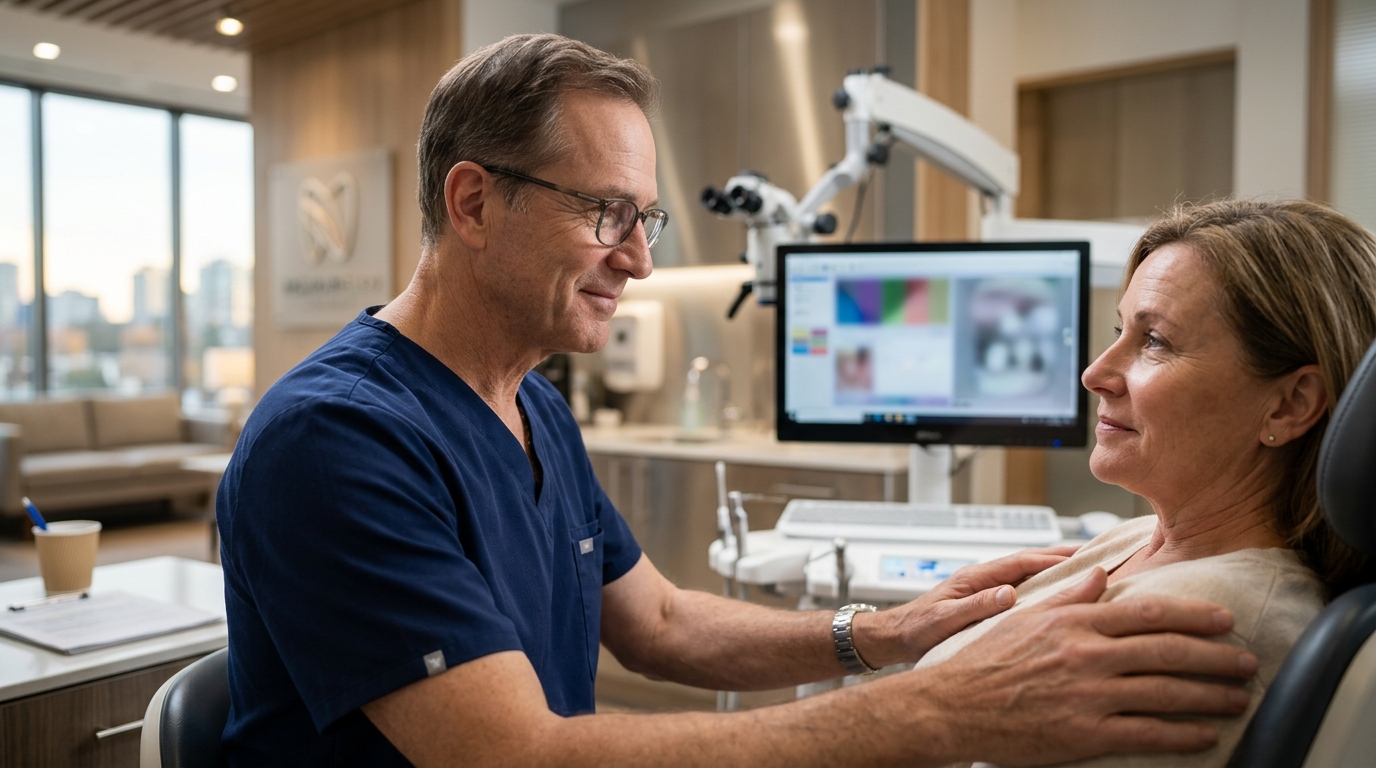
Root canal retreatment is a specialized endodontic procedure designed to save a tooth that has previously undergone root canal therapy but has failed to heal or has become reinfected. According to the American Association of Endodontists, retreatment is often the first choice for saving a tooth that has not healed properly after initial treatment. This process involves removing the existing crown, filling material, and cement to access the root canal system again for thorough cleaning and sealing. (About Our Office Richmond)
Identifying the Symptoms of Failed Root Canals
Recognizing the signs of a failing root canal is critical for preserving your natural tooth. Many patients assume that a tooth that no longer hurts is healthy, but silence can sometimes mask underlying infection. The most common indicator of failure is the return of pain or sensitivity. This discomfort may manifest as tenderness when chewing or applying pressure to the tooth. In some cases, the pain can be severe and persistent, indicating an active infection at the root tip. (Home Richmond Endo)
Another significant symptom is the appearance of a pimple-like bump on the gums near the treated tooth. This bump, often called a sinus tract, is a drainage point for pus from the infected area. It may release a bad taste or foul odor in the mouth. While the pain might subside when the bump ruptures, the infection remains active and can spread to surrounding bone and tissue if left untreated. (Home Richmond Endo)
Swelling of the face or gums is also a warning sign. This swelling can be localized around the specific tooth or spread to the jaw and neck area. If you experience swelling accompanied by fever, it is a medical emergency requiring immediate attention. Additionally, some patients report a feeling of pressure or fullness in the tooth, even when no food is present. These symptoms suggest that the seal of the root canal has been compromised, allowing bacteria to re-enter the system.
Why Root Canals Fail
Understanding why a root canal fails helps patients make informed decisions about retreatment. One primary cause is missed canals. Teeth can have complex anatomy with extra canals that are difficult to detect during the initial procedure. If these canals are not cleaned and sealed, they become a reservoir for bacteria. Another common cause is inadequate sealing of the root canal. Over time, the filling material may shrink or break down, creating gaps where bacteria can infiltrate.
Delayed placement of a permanent restoration is another frequent culprit. After a root canal, the tooth is vulnerable until a crown or filling is placed. If this delay is too long, bacteria from saliva can leak into the root canal system. New decay can also develop around the restoration, allowing bacteria to reach the root canal filling. This secondary decay can compromise the seal and lead to reinfection.
Cracked or fractured teeth are also a significant cause of failure. A crack can extend into the root, making it impossible to seal the canal effectively. In such cases, the tooth may not be salvageable through retreatment. Additionally, salivary contamination during the initial procedure can introduce bacteria into the canal system. This risk is higher if the isolation barrier, such as a rubber dam, is compromised during treatment.
The Diagnostic Process for Retreatment
Accurate diagnosis is the foundation of successful retreatment. At Richmond Endodontics, we utilize advanced imaging and clinical tests to determine the cause of failure. The first step is a comprehensive clinical examination. We assess the tooth for mobility, percussion sensitivity, and palpation tenderness. We also check for sinus tracts and evaluate the surrounding gum tissue for signs of inflammation.
Imaging plays a crucial role in the diagnostic process. We use PreXion CBCT imaging to obtain detailed three-dimensional views of the tooth and surrounding bone. This technology allows us to detect fractures, missed canals, and bone loss that may not be visible on standard two-dimensional X-rays. CBCT imaging provides a clear map of the root canal system, enabling precise treatment planning.
We also perform vitality tests on adjacent teeth to rule out other sources of pain. Sometimes, pain from a neighboring tooth can be referred to the treated tooth, leading to misdiagnosis. By systematically eliminating other causes, we can confirm whether the retreatment is necessary. This thorough diagnostic approach ensures that we address the root cause of the problem and avoid unnecessary procedures.
What to Expect During Retreatment
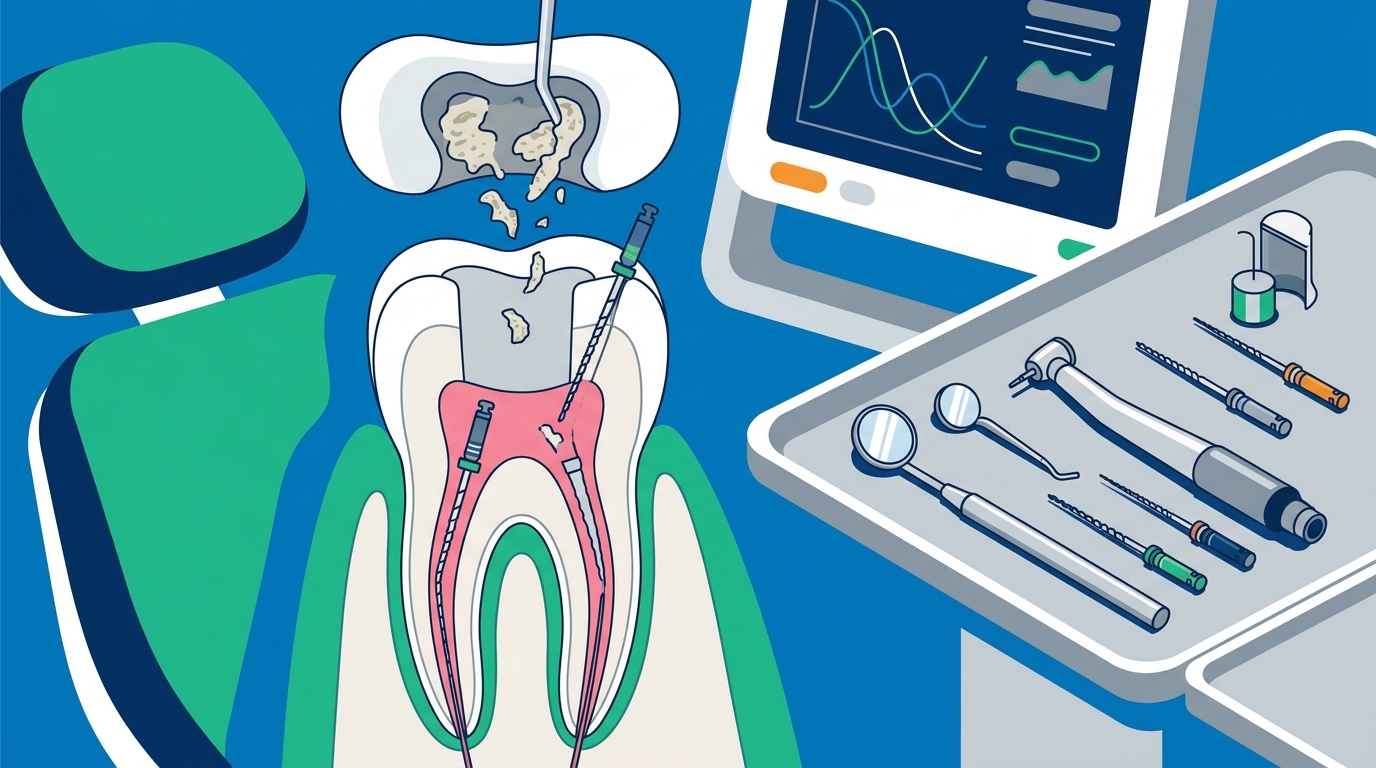
Root canal retreatment is similar to the initial procedure but requires additional steps to remove existing materials. The process begins with the removal of the crown, filling, or post that was placed after the first treatment. We use specialized instruments to carefully extract these materials without damaging the tooth structure. This step requires precision and patience to avoid perforating the root.
Once the access cavity is created, we locate and clean the root canals. We use magnification and illumination to identify all canals, including any that were missed during the initial treatment. The canals are then shaped and cleaned using ultrasonic instruments and irrigation solutions to eliminate bacteria and debris. This step is critical for ensuring a sterile environment before sealing the canals.
After cleaning, the canals are filled with a biocompatible material, usually gutta-percha, and sealed with a cement. The access cavity is then restored with a temporary filling to protect the tooth until a permanent restoration can be placed. The entire process is performed under local anesthesia to ensure patient comfort. Most patients report minimal discomfort during and after the procedure, similar to the initial root canal treatment.
Advanced Technology in Retreatment
At Richmond Endodontics, we leverage cutting-edge technology to enhance the success of retreatment procedures. The Zeiss ProErgo surgical microscope provides superior magnification and lighting, allowing us to visualize fine details in the root canal system. This level of precision is essential for locating missed canals and removing broken instruments or posts.
We also utilize GentleWave® and EdgePro® laser disinfection technologies. These advanced systems use acoustic energy and laser light to clean the root canal system more effectively than traditional methods. They can reach areas that hand instruments cannot, reducing the risk of reinfection. This technology is particularly beneficial in complex retreatment cases where bacterial biofilms are difficult to remove.
Our use of XDR Digital X-Rays ensures high-definition images with lower radiation exposure. This allows us to monitor the progress of treatment and verify the quality of the seal in real-time. By combining these technologies, we can achieve better outcomes and faster healing for our patients. Our commitment to innovation ensures that we provide the highest standard of care in endodontic retreatment.
Retreatment vs. Extraction
When a root canal fails, patients often face the choice between retreatment and extraction. Retreatment is generally preferred because it preserves the natural tooth. Natural teeth provide better chewing efficiency and maintain the integrity of the jawbone. Extraction, on the other hand, requires replacement with an implant or bridge, which can be more costly and time-consuming.
| Factor | Root Canal Retreatment | Extraction and Replacement |
|---|---|---|
| Tooth Preservation | Preserves natural tooth structure | Removes natural tooth |
| Cost | Generally lower cost | Higher cost due to implant/bridge |
| Treatment Time | Shorter recovery time | Longer process for healing and placement |
| Function | Restores natural bite and feel | May alter bite dynamics |
| Success Rate | High with advanced technology | High with implants, but surgical risk |
The decision to retreat or extract depends on the specific condition of the tooth. Factors such as the extent of decay, the presence of fractures, and the amount of remaining tooth structure influence the prognosis. In many cases, retreatment offers a viable and conservative option for saving the tooth. Our team at Richmond Endodontics will evaluate your specific situation and recommend the best course of action.
Key Takeaways
- Root canal retreatment is a specialized procedure to save a tooth that has failed initial therapy.
- Symptoms of failure include pain, swelling, gum bumps, and sensitivity to pressure.
- Causes of failure often include missed canals, inadequate sealing, or new decay.
- Advanced diagnostics like CBCT imaging are essential for accurate treatment planning.
- Richmond Endodontics uses GentleWave® and EdgePro® technology for superior disinfection.
- Retreatment is often more cost-effective and less invasive than extraction and replacement.
- Dr. Benjamin Adams has over 20 years of experience in complex endodontic cases.
Frequently Asked Questions
How long does root canal retreatment take?
Retreatment typically requires one to two appointments, similar to the initial root canal. The duration depends on the complexity of the case and the number of canals involved. We ensure that each step is performed meticulously to guarantee the best outcome.
Is root canal retreatment painful?
Most patients report minimal discomfort during and after the procedure. Local anesthesia is used to numb the area, ensuring a pain-free experience. Post-procedure sensitivity is usually mild and manageable with over-the-counter pain medication.
Can a tooth with a post be retreated?
Yes, teeth with posts can often be retreated. We use specialized techniques to remove posts without damaging the root structure. However, the success depends on the type of post and the amount of remaining tooth structure.
What is the success rate of retreatment?
The success rate of root canal retreatment is high, especially when performed with advanced technology. Factors such as the cause of failure and the quality of the final restoration influence the long-term prognosis.
Do you offer payment plans for retreatment?
Yes, we offer flexible payment plans to make retreatment accessible. We believe that financial constraints should not prevent patients from receiving necessary care. Please contact our office for more details on our payment options.
How do I know if I need a specialist?
If your general dentist recommends retreatment or if you are experiencing persistent pain, seeing an endodontist is advisable. Endodontists have specialized training and equipment to handle complex cases with greater precision.
What is GentleWave technology?
GentleWave is an advanced disinfection system that uses acoustic energy to clean the root canal system. It is more effective than traditional irrigation methods and reduces the risk of reinfection.
Schedule Your Consultation
If you are experiencing symptoms of a failed root canal, do not wait for the problem to worsen. Early intervention can save your tooth and prevent further complications. Contact Richmond Endodontics to schedule a consultation with Dr. Benjamin Adams. We are dedicated to providing exceptional care in a comfortable and compassionate environment. Visit our Contact Us page to book your appointment today. We serve patients across Eastern Indiana and Western Ohio, including Richmond, Dayton, and surrounding areas. Trust our team to deliver the highest standard of endodontic care.