
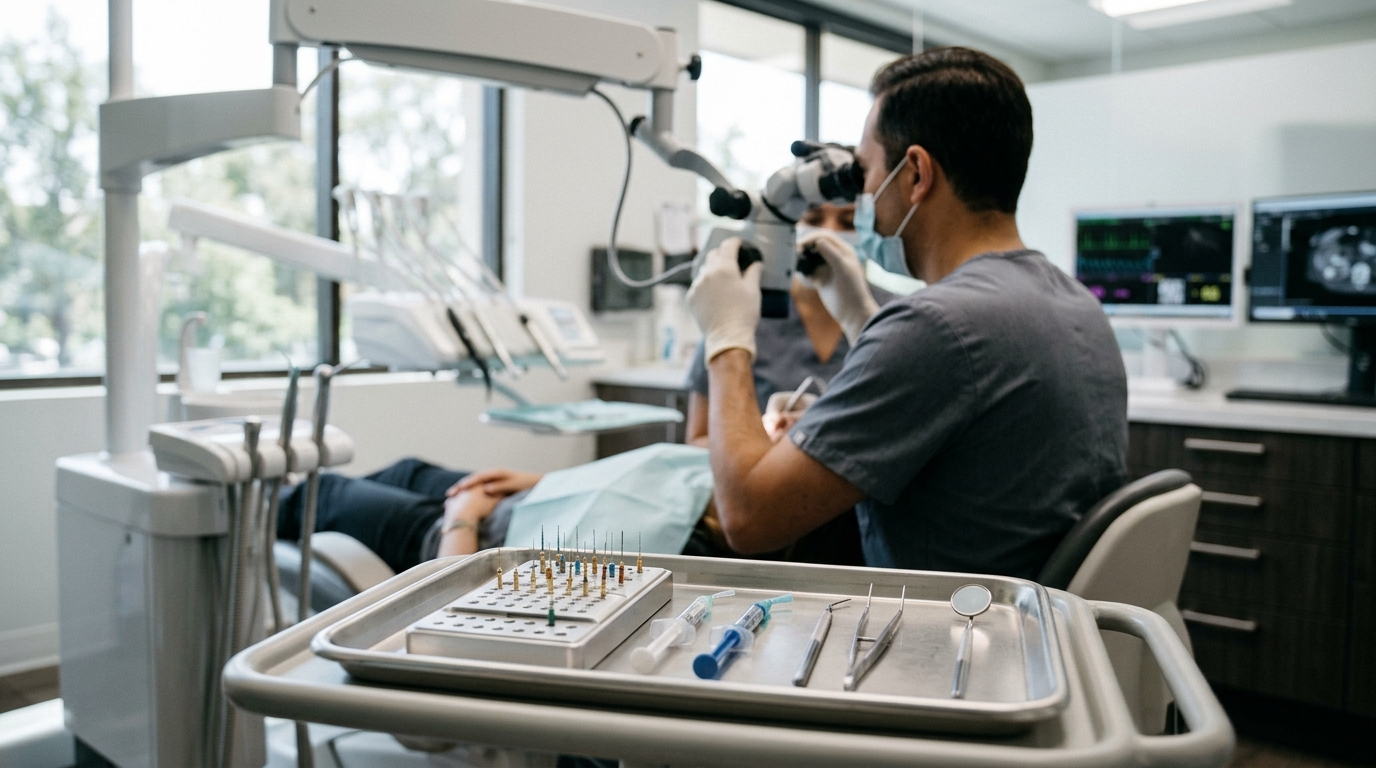
1. Ultrasonic Instrumentation
2. Chemical Dissolution
Specialized irrigants can dissolve organic and inorganic obstructions. Sodium hypochlorite and EDTA are commonly used to soften tissue and remove smear layers. These chemicals help create a pathway for mechanical instruments to advance. Proper irrigation protocols are essential to prevent tissue damage while clearing the blockage. For additional details, review the 765endo com.
3. Micro-Endodontic Magnification
Dental microscopes enhance visibility of narrow canal spaces. Magnification allows the endodontist to see the exact location of the blockage. This visual clarity reduces the risk of perforation during retreatment. At Richmond Endo, magnification is a standard part of advanced endodontic procedures. For additional details, review the 765endo com.
4. Rotary Nickel-Titanium Files
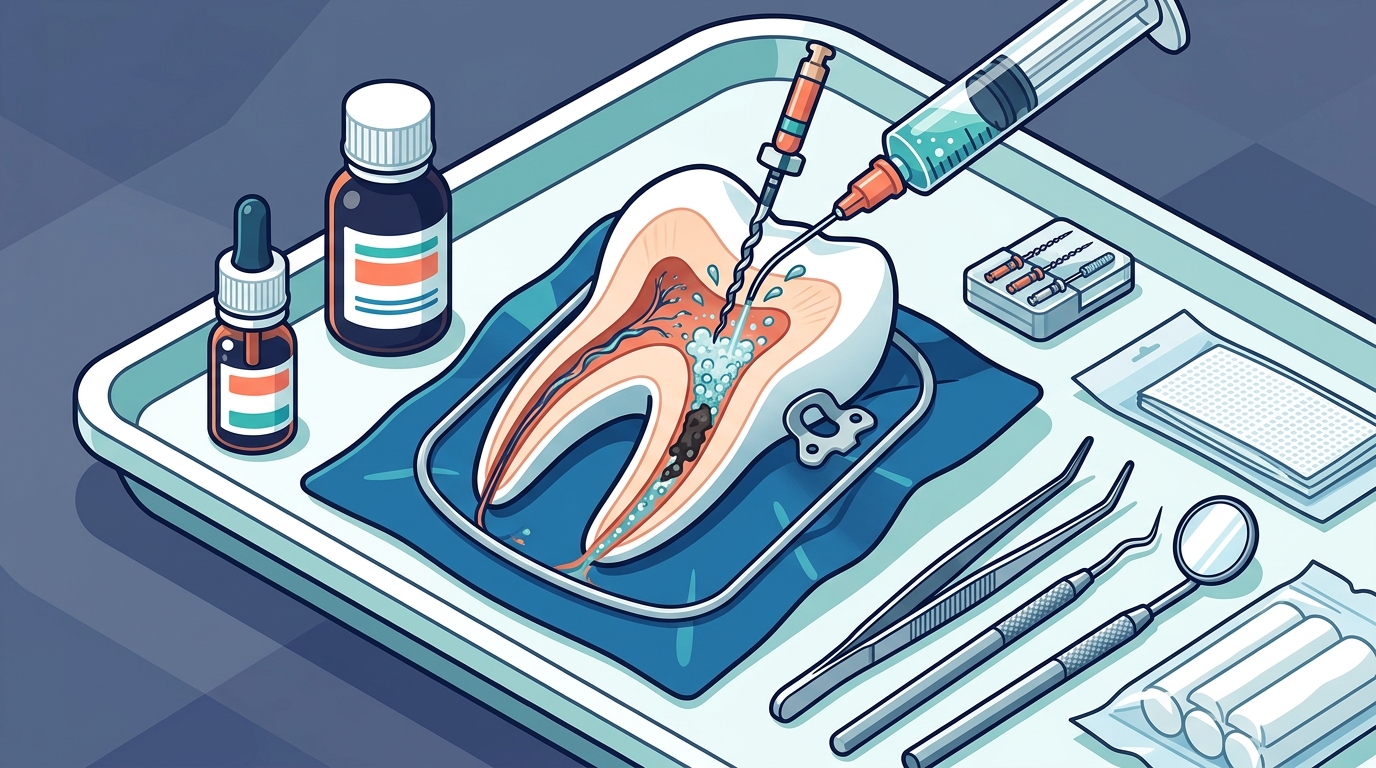
5. Laser Assisted Techniques
Lasers can vaporize organic material and disinfect the canal. Er:YAG and diode lasers are used to remove calcified tissue and biofilm. This method complements mechanical and chemical approaches. Laser use requires precise control to avoid thermal damage to surrounding structures. For additional details, review the 765endo com.
6. Cone Beam Computed Tomography (CBCT)
3D imaging provides a detailed map of the canal anatomy. CBCT scans reveal the exact position and nature of the blockage. This diagnostic tool helps plan the most effective retreatment strategy. It is invaluable for identifying complex anatomical variations that 2D X-rays miss.
7. Apical Surgery as a Last Resort
Surgery is considered when non-surgical methods fail. If the blockage cannot be cleared from the crown, an apicoectomy may be necessary. This procedure involves removing the root tip and sealing it from the outside. It is a viable option when retreatment is not feasible or has failed.
Choosing the Right Approach
Frequently Asked Questions
Is a blocked root canal always a sign of failure?
No, a blockage can occur due to calcification, debris, or previous instrumentation. It does not necessarily mean the tooth is lost. Many blocked canals can be successfully retreated without surgery.
How long does it take to clear a blocked canal?
The time required varies based on the complexity of the blockage. Simple cases may take one visit, while complex ones may require multiple appointments. Your endodontist will provide a specific timeline after diagnosis.
Can lasers replace mechanical filing?
Lasers are an adjunctive tool, not a complete replacement for mechanical filing. They are best used in combination with other techniques to ensure thorough cleaning and shaping of the canal.
What is the success rate of non-surgical retreatment?
Non-surgical retreatment has a high success rate when performed by an experienced endodontist. Success depends on factors like the cause of the initial failure and the quality of the new restoration.
Do I need a new crown after retreatment?
Often, a new crown is recommended after retreatment to protect the tooth. The decision depends on the amount of remaining tooth structure and the location of the blockage. Learn more: 765endo com.