
Patients with hypersensitive teeth often present unique challenges during endodontic therapy. According to recent clinical data, nearly 40% of root canal cases involve teeth with pre-existing sensitivity or complex anatomical variations that require heightened precision. When treating these patients, avoiding common procedural errors is critical to ensuring long-term success and patient comfort. This guide outlines the essential steps to prevent complications and deliver exceptional care.
Diagnostic Accuracy and Imaging
The first mistake many practitioners make is relying solely on traditional 2D radiographs for sensitive teeth. Sensitive teeth often indicate underlying pathology that is not visible on standard X-rays. Using advanced imaging is non-negotiable for accurate diagnosis.
Utilizing CBCT Technology
PreXion CBCT imaging provides a three-dimensional view of the tooth and surrounding structures. This technology allows endodontists to detect hidden canals, fractures, and bone loss that 2D images miss. For patients with sensitive teeth, this precision prevents unnecessary trauma and ensures the correct tooth is treated.
Identifying Cracked Teeth
Sensitivity is a primary symptom of cracked teeth. Cracked teeth require immediate and precise intervention to save the tooth. Misdiagnosing a crack as simple sensitivity can lead to treatment failure. Proper diagnostic protocols must include vitality testing and transillumination to identify fracture lines.
Managing Anesthesia in Sensitive Teeth
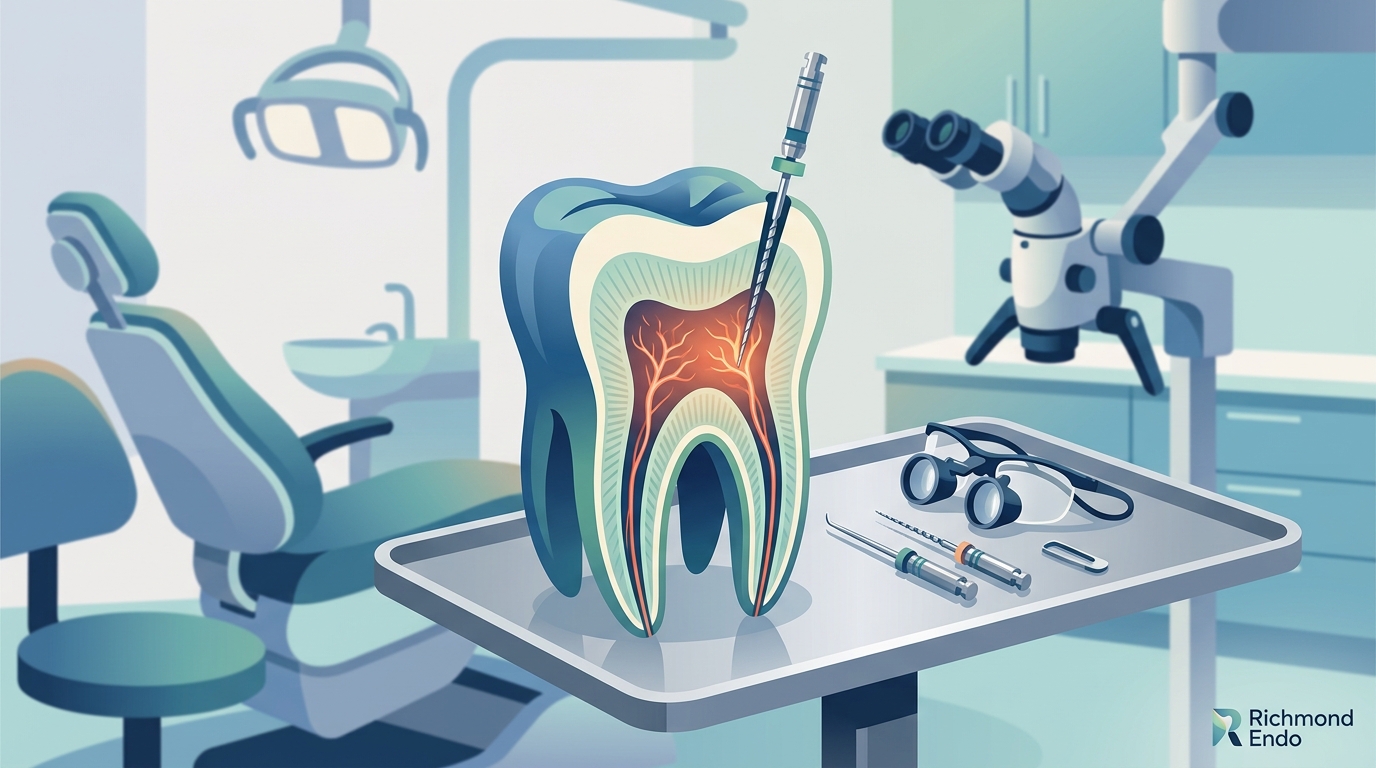
Administering local anesthesia to a tooth with acute inflammation or hypersensitivity is notoriously difficult. The acidic environment of an infected tooth can neutralize the anesthetic, leading to incomplete numbness. This is a common source of patient distress and procedural error.
Overcoming Inflammation
Practitioners often fail to address the inflammatory mediators before attempting injection. Techniques such as intraligamentary injections or intraosseous anesthesia may be required when traditional blocks fail. Understanding the pharmacology of anesthetics in inflamed tissue is crucial for patient comfort.
Patient Communication
Failure to explain the anesthesia process to sensitive patients increases anxiety. Anxiety lowers the pain threshold, making the procedure more difficult. Clear communication and a compassionate approach are essential components of the treatment plan.
Advanced Canal Disinfection Techniques
One of the most critical errors in endodontics is inadequate disinfection of the root canal system. Sensitive teeth often harbor complex biofilms that standard irrigation cannot reach. Relying solely on sodium hypochlorite is no longer sufficient for complex cases.
GentleWave® Technology
GentleWave® technology uses multi-frequency acoustic energy to clean complex anatomy. This method reaches areas that traditional files and irrigants cannot. For sensitive teeth, this reduces the need for aggressive mechanical instrumentation, which can further irritate the periapical tissues.
EdgePro® Laser Disinfection
EdgePro® laser disinfection offers a precise way to eliminate bacteria in the root canal. This technology enhances healing by reducing the bacterial load significantly. It is particularly useful in retreatment cases or teeth with persistent symptoms.
The Role of Surgical Microscopes
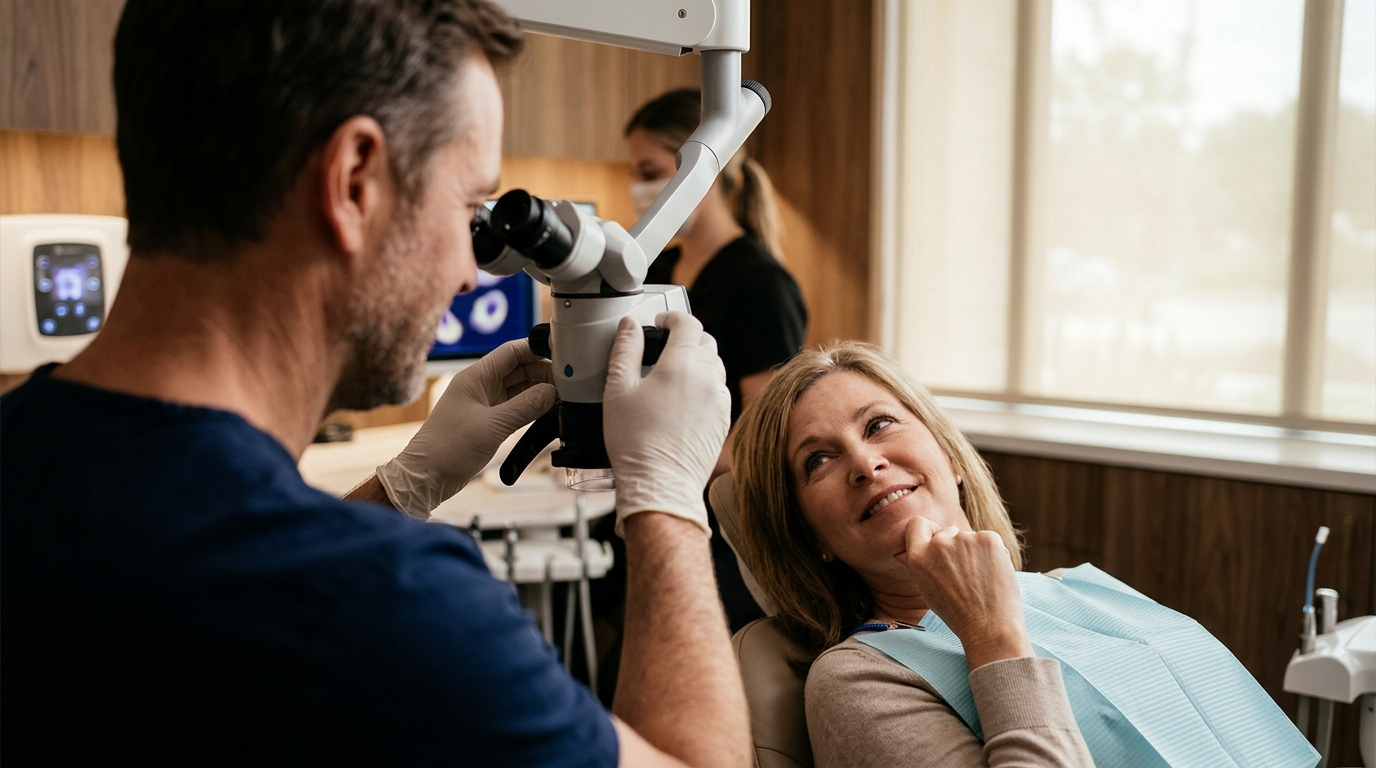
Neglecting the use of a surgical microscope is a major mistake when treating sensitive teeth. The microscope provides the magnification and illumination necessary to see fine details. Without it, practitioners may miss calcified canals or perforations.
Zeiss ProErgo Advantages
The Zeiss ProErgo surgical microscope offers superior optical clarity. This allows for the detection of the finest details in the root canal system. Precision is key to avoiding over-instrumentation, which can cause post-operative pain in sensitive patients.
Minimizing Trauma
Microscopic endodontics allows for minimally invasive techniques. By preserving more healthy tooth structure, the overall integrity of the tooth is maintained. This is vital for the long-term prognosis of sensitive teeth.
Post-Operative Pain Management
Another common mistake is underestimating post-operative pain in sensitive patients. These individuals often have a lower pain threshold and may experience more discomfort after treatment. Proper pain management protocols must be established before the procedure begins.
Medication Protocols
Prescribing appropriate anti-inflammatory medications can significantly reduce post-operative sensitivity. Educating patients on the expected recovery timeline helps manage their expectations and anxiety.
Follow-Up Care
Scheduling a follow-up appointment allows the endodontist to monitor healing. This is especially important for patients with a history of sensitivity. Early intervention can prevent complications from becoming chronic.
Key Takeaways
- Use PreXion CBCT imaging to detect hidden pathology in sensitive teeth.
- Employ GentleWave® and EdgePro® laser disinfection for superior cleaning.
- Utilize the Zeiss ProErgo microscope for precision and minimal trauma.
- Address anesthesia challenges in inflamed teeth with advanced injection techniques.
- Communicate clearly with patients to reduce anxiety and improve outcomes.
- Dr. Benjamin Adams has over 20 years of experience in endodontics.
- Richmond Endodontics serves Eastern Indiana and Western Ohio.
Frequently Asked Questions
Why do sensitive teeth require special care during root canals?
Sensitive teeth often indicate underlying inflammation or complex anatomy that requires advanced imaging and disinfection techniques to treat effectively.
How does GentleWave® help with sensitive teeth?
GentleWave® uses acoustic energy to clean complex canal anatomy without aggressive instrumentation, reducing trauma and post-operative pain.
What technology does Richmond Endodontics use for diagnosis?
We use PreXion CBCT imaging and XDR Digital X-Rays to provide detailed 3D views of the tooth and surrounding structures.
Can cracked teeth cause sensitivity?
Yes, cracked teeth are a common cause of sensitivity and require precise diagnosis to prevent further damage.
How does Dr. Adams manage anesthesia for sensitive patients?
Dr. Adams uses advanced injection techniques and understands the pharmacology of anesthetics in inflamed tissue to ensure patient comfort.
What areas does Richmond Endodontics serve?
We serve patients in Eastern Indiana and Western Ohio, including Richmond, Dayton, and surrounding communities.
Is root canal treatment painful for sensitive teeth?
With modern anesthesia and techniques like GentleWave®, root canal treatment is typically no more uncomfortable than a filling.
Contact Richmond Endodontics
If you are experiencing sensitivity or require root canal treatment, do not wait. Contact Richmond Endodontics today to schedule your consultation. Our team is dedicated to providing exceptional care with the latest technology. Call us at (765) 939-6355 or visit our office in Richmond, IN.