

Root canal retreatment is a specialized endodontic procedure performed when a previously treated tooth becomes reinfected or fails to heal properly. According to the American Association of Endodontists, approximately 2 to 10 percent of root canals may fail over time, necessitating a second intervention to save the natural tooth. This statistic highlights that retreatment is a common and viable option for preserving dental health rather than a sign of poor initial care.
Understanding Root Canal Retreatment
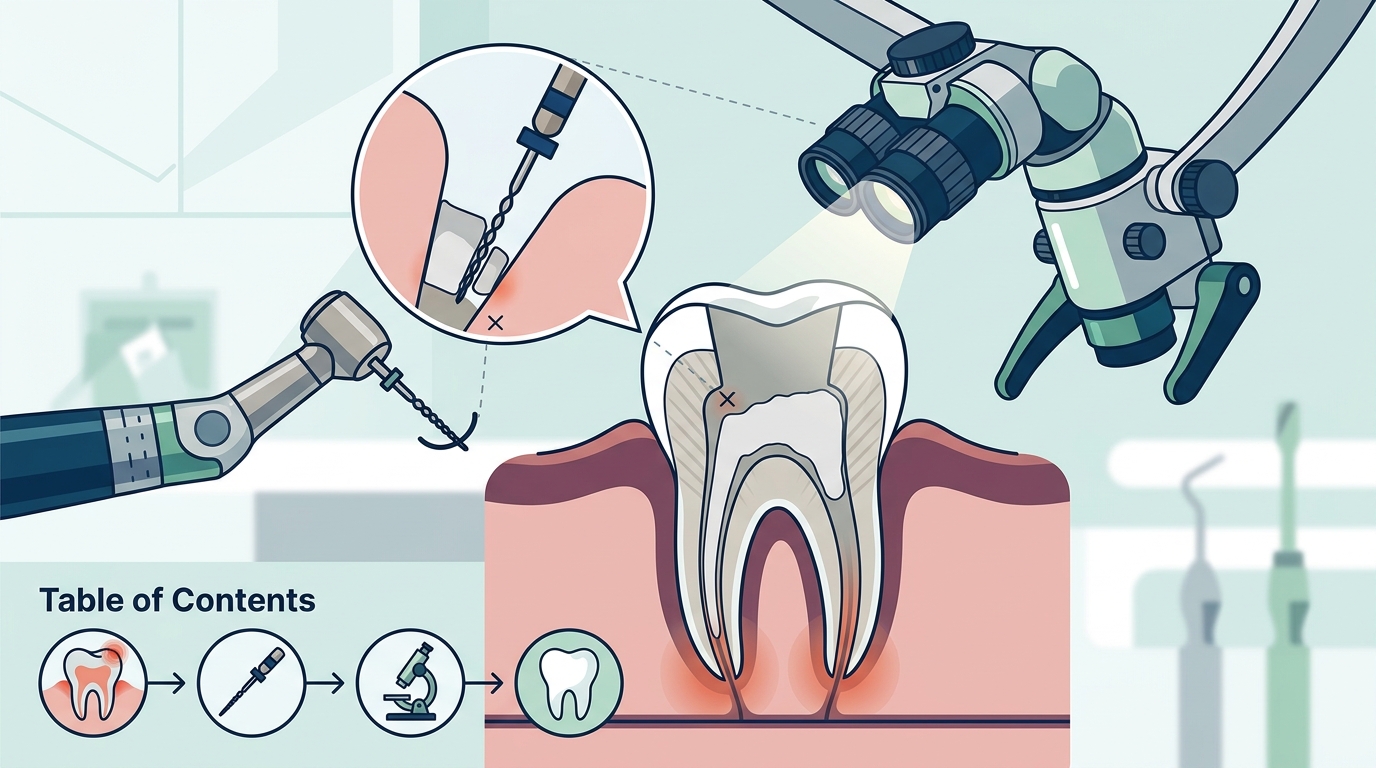
Root canal retreatment is the process of re-entering a tooth that has already undergone endodontic therapy. The goal is to remove the existing filling material, clean the canals again, and reseal the tooth to prevent further bacterial invasion. This procedure is often recommended when a tooth that previously had a root canal starts to become painful or diseased.
Retreatment is not a failure of the dentist but rather a response to new challenges. These challenges can include new decay, a cracked or broken crown, or complex canal anatomy that was missed during the first procedure. At Richmond Endodontics, we utilize advanced technology to ensure the highest success rates for these complex cases.
Signs You Need Retreatment
Recognizing the early signs of root canal failure is crucial for timely intervention. Delaying treatment can lead to more severe infections and potential tooth loss. Here are the primary indicators that you may need retreatment:
1. Persistent or Recurring Pain
Pain is the most common symptom. If you experience throbbing pain in a tooth that previously had a root canal, it may indicate that the infection has returned. This pain can range from mild discomfort to severe, sharp sensations, especially when chewing or applying pressure.
2. Sensitivity to Temperature
Although a root-canaled tooth should no longer have a nerve, some patients report sensitivity to hot or cold temperatures. This can occur if the tooth has a crack or if the seal has been compromised, allowing bacteria to enter the pulp space.
3. Swelling and Tenderness
Swelling in the gums near the treated tooth is a clear sign of infection. The area may feel tender to the touch, and you might notice a pimple-like bump on the gum line, known as a sinus tract. This indicates that the body is trying to drain the infection.
4. Discoloration of the Tooth
If the tooth begins to darken or change color, it may suggest that the internal tissues are breaking down or that there is ongoing decay. This is often a sign that the seal has failed and bacteria have entered the tooth structure.
Why Root Canals Fail
Understanding the causes of root canal failure helps patients make informed decisions about retreatment. Several factors can contribute to the need for a second procedure:
Missed Canal Anatomy
Teeth can have complex and hidden canal structures. If a canal is missed during the initial treatment, bacteria can remain and cause infection. Advanced imaging technology, such as the PreXion CBCT imaging used at Richmond Endodontics, helps identify these hidden canals with precision.
Inadequate Seal
If the root canal filling material does not completely seal the canals, bacteria can leak back into the tooth. This can happen due to improper filling techniques or if the tooth structure has shifted over time.
New Decay
Decay can occur at the margin of the restoration, allowing bacteria to penetrate the root canal system. Regular dental check-ups and good oral hygiene are essential to prevent this.
Cracked Tooth
A crack in the tooth can allow bacteria to enter the root canal system. Cracked teeth are difficult to diagnose and often require specialized examination techniques to identify.
The Diagnostic Process
Diagnosing the need for root canal retreatment involves a comprehensive evaluation. Dr. Benjamin Adams and his team at Richmond Endodontics use a combination of clinical exams and advanced imaging to determine the best course of action.
Clinical Examination
The dentist will examine the tooth for signs of swelling, tenderness, and decay. They will also test the tooth's response to percussion and palpation to assess the extent of the infection.
Imaging
X-rays are essential for diagnosing root canal issues. They can reveal bone loss around the tooth root, which is a sign of infection. In complex cases, 3D imaging may be used to get a detailed view of the tooth structure.
Microscopic Examination
Using a surgical microscope, such as the Zeiss ProErgo surgical microscope, allows the endodontist to see minute details that are invisible to the naked eye. This precision is critical for successful retreatment.
Treatment Options Compared
When a root canal fails, patients typically have two main options: retreatment or extraction. Here is a comparison to help you understand the differences:
| Feature | Root Canal Retreatment | Tooth Extraction |
|---|---|---|
| Goal | Save the natural tooth | Remove the damaged tooth |
| Longevity | High success rate with proper care | Requires replacement (implant/bridge) |
| Cost | Generally lower than replacement | Higher due to additional procedures |
| Comfort | Minimally invasive procedure | Surgical recovery required |
| Function | Restores natural chewing function | May affect adjacent teeth |
Retreatment is often the preferred option because it preserves your natural tooth structure. At Richmond Endodontics, we offer advanced techniques like GentleWave® and EdgePro® laser disinfection to ensure thorough cleaning and a high success rate.
Key Takeaways
- Root canal retreatment is a common procedure for saving teeth that have failed initial therapy.
- Symptoms include persistent pain, swelling, sensitivity, and tooth discoloration.
- Causes of failure include missed canals, inadequate seals, new decay, and cracked teeth.
- Advanced imaging and microscopic examination are crucial for accurate diagnosis.
- Retreatment is often more cost-effective and less invasive than extraction and replacement.
- Dr. Benjamin Adams has over 20 years of expertise in endodontic care.
- Richmond Endodontics serves patients across Eastern Indiana and Western Ohio.
Frequently Asked Questions
How long does root canal retreatment take?
The duration of retreatment varies depending on the complexity of the case. Some procedures can be completed in one visit, while others may require two or more appointments. Dr. Adams will provide a detailed timeline during your consultation.
Is root canal retreatment painful?
With modern anesthesia and sedation techniques, retreatment is generally no more uncomfortable than the initial root canal. Most patients report minimal discomfort during the procedure and manageable soreness afterward.
What is GentleWave® technology?
GentleWave® is an advanced multi-sonic ultrasonic irrigation system that cleans root canals more effectively than traditional methods. It uses fluid dynamics to remove bacteria and debris from complex canal structures.
Can I drive home after retreatment?
If you receive local anesthesia only, you can drive home. However, if you choose sedation, you will need someone to drive you. Richmond Endodontics offers various sedation options to ensure your comfort.
How do I know if my root canal has failed?
Signs of failure include pain, swelling, tenderness, and the return of symptoms that were present before the initial treatment. If you experience any of these, contact your endodontist immediately.
What is the success rate of retreatment?
The success rate of root canal retreatment is high, often comparable to initial root canal therapy. Factors such as the cause of failure and the quality of the retreatment influence the outcome.
Do you offer emergency services?
Yes, Richmond Endodontics understands that dental emergencies can happen at any time. We provide urgent care for patients experiencing severe pain or swelling. Contact us at (765) 939-6355 for immediate assistance.
Contact Richmond Endodontics
If you suspect you need root canal retreatment, do not wait. Early intervention can save your tooth and prevent more serious complications. Dr. Benjamin Adams and his team at Richmond Endodontics are dedicated to providing exceptional care with the latest technology.
We proudly serve patients across Eastern Indiana and Western Ohio. To schedule a consultation, please visit our Contact Us page or call (765) 939-6355. Your comfort and long-term oral health are our top priorities.