
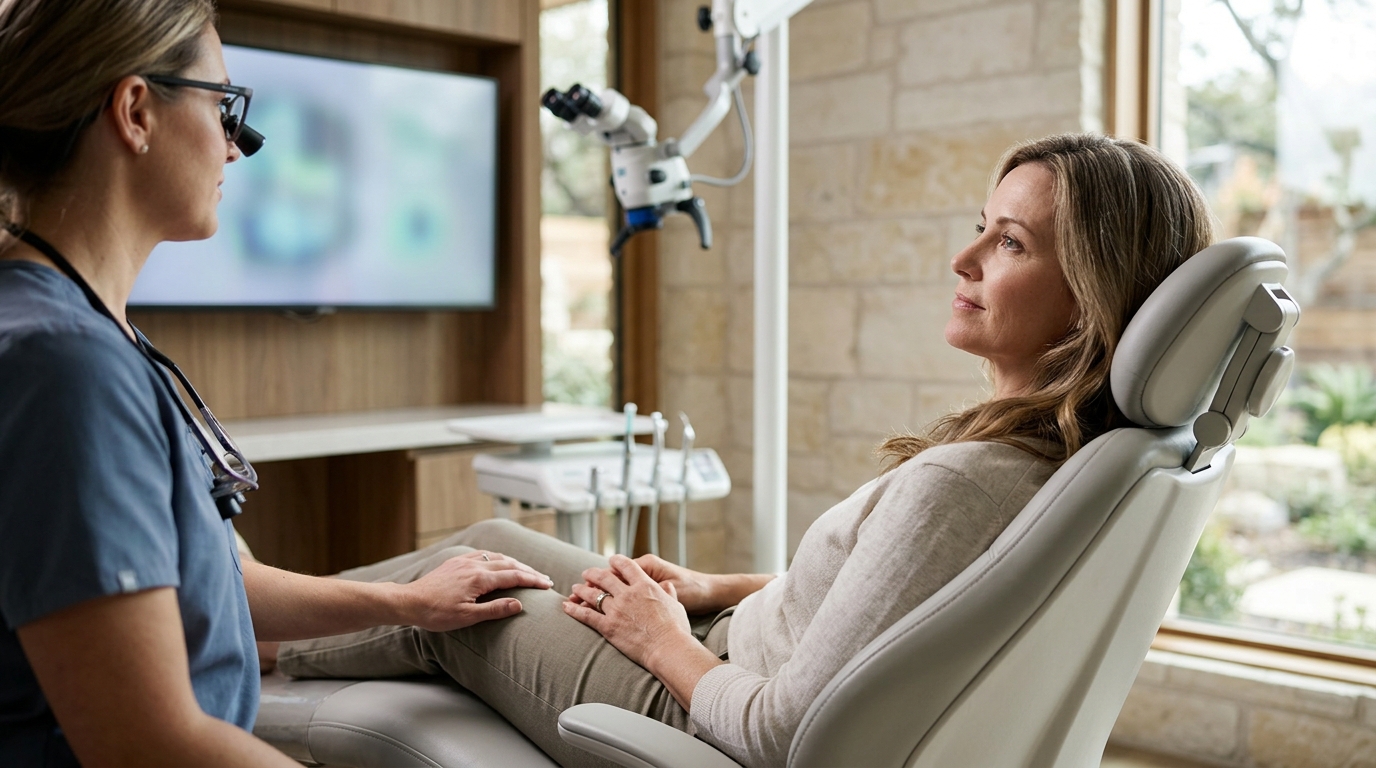
Best Root Canal Methods for Sensitive Teeth: A Comprehensive Guide
Living with sensitive teeth can make even the simplest dental visits feel daunting. For patients who experience heightened pain responses, the prospect of a root canal often triggers significant anxiety. However, modern endodontics has evolved to prioritize comfort without compromising clinical outcomes. According to recent dental health surveys, over 40 million Americans suffer from dentin hypersensitivity, making the choice of treatment method critical for patient well-being. At Richmond Endodontics, we understand that pain management begins long before the anesthesia needle touches your gum. We utilize precision technology to ensure that your experience is as gentle and stress-free as possible.
The GentleWave® Multi-Action Technology
For patients with sensitive teeth, the traditional method of cleaning a root canal can feel invasive and uncomfortable. GentleWave® represents a paradigm shift in endodontic care. This technology uses a proprietary combination of acoustic energy and fluid dynamics to clean the complex anatomy of the tooth. Unlike traditional methods that rely heavily on mechanical files which can vibrate and irritate surrounding tissues, GentleWave® is non-contact and non-invasive.
This approach significantly reduces the physical pressure applied to the tooth during the procedure. For individuals with a low pain threshold, this reduction in mechanical trauma translates to less post-operative sensitivity. The technology ensures that bacteria and debris are removed from areas that standard files might miss, leading to a higher success rate and faster healing. As one of the few practices in the country offering this advanced disinfection, Richmond Endodontics provides a level of care that prioritizes your comfort from the start. You can learn more about our advanced technology to see how these tools work in tandem.
EdgePro® Laser Disinfection
Root canal sensitivity often persists after treatment due to residual bacteria in microscopic dentinal tubules. EdgePro® laser disinfection addresses this issue by using laser energy to penetrate deep into the tooth structure. This method is particularly beneficial for sensitive patients because it allows for a more thorough cleaning with minimal mechanical intervention.
The laser energy helps to eliminate bacteria that traditional irrigation might leave behind. This thorough disinfection reduces the likelihood of inflammation, which is a primary cause of post-treatment pain. By combining EdgePro® with other advanced techniques, we ensure that the tooth is not only cleaned but also stabilized for long-term health. This holistic approach to disinfection is part of our commitment to patient-centered care.
Zeiss ProErgo Surgical Microscope
Precision is the enemy of pain. When a dentist can see clearly, they can work efficiently and gently. The Zeiss ProErgo surgical microscope provides high-magnification, high-resolution visualization of the root canal system. This level of detail allows Dr. Benjamin Adams to identify complex canal anatomy that might be missed by the naked eye.
For sensitive patients, this precision means less drilling and fewer adjustments. The microscope enables the use of smaller, more flexible instruments that navigate the root canals with minimal force. This reduces the vibration and heat generation that can irritate the nerve endings in the surrounding bone and tissue. Our dedication to using the latest technology ensures that every procedure is performed with the highest degree of accuracy and comfort.
PreXion CBCT Imaging Accuracy
Before any treatment begins, accurate diagnosis is essential. PreXion CBCT (Cone Beam Computed Tomography) imaging provides a three-dimensional view of the tooth and surrounding bone. This 3D perspective allows us to see the exact shape and size of the root canals, as well as any potential complications like fractures or abscesses.
For patients with sensitive teeth, this pre-procedural clarity is invaluable. It allows us to plan the treatment path to avoid unnecessary trauma. By knowing exactly where the canals are, we can avoid over-instrumentation and reduce the time the procedure takes. Less time in the chair often means less discomfort for the patient. This strategic planning is a core component of our endodontic services.
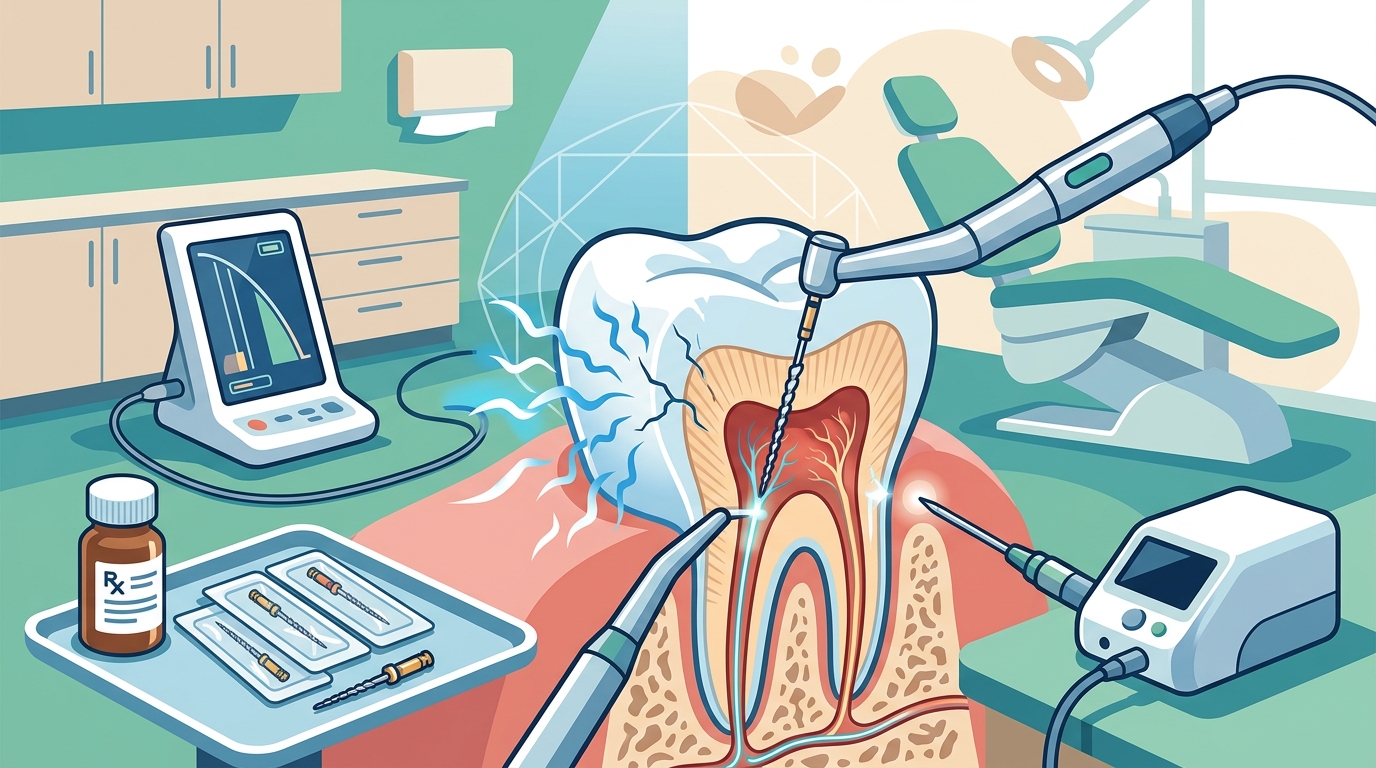
Comparison of Treatment Modalities
Understanding the differences between traditional and modern root canal methods can help alleviate anxiety. The table below outlines how our advanced techniques compare to standard practices, specifically regarding patient comfort and efficacy.
| Feature | Traditional Root Canal | Richmond Endo Advanced Method |
|---|---|---|
| Cleaning Mechanism | Manual files and chemical irrigation | GentleWave® acoustic energy and EdgePro® laser |
| Patient Comfort | Higher potential for vibration and pressure | Non-contact, reduced mechanical trauma |
| Visualization | Naked eye or loupes | Zeiss ProErgo surgical microscope |
| Diagnostic Accuracy | 2D X-rays | PreXion CBCT 3D imaging |
| Post-Op Sensitivity | Common, lasting several days | Minimized due to thorough disinfection |
Key Takeaways for Sensitive Patients
- Technology Matters: The use of GentleWave® and EdgePro® significantly reduces the physical stress on sensitive teeth compared to traditional methods.
- Precision Reduces Pain: The Zeiss ProErgo microscope allows for less invasive instrumentation, directly lowering the risk of post-operative discomfort.
- 3D Diagnosis: PreXion CBCT imaging ensures accurate treatment planning, preventing unnecessary trauma during the procedure.
- Expert Leadership: Dr. Benjamin Adams brings over 20 years of expertise in both surgical and non-surgical endodontics to every case.
- Comfort-First Approach: We intentionally see fewer patients per day to allow for ample treatment time and thorough patient education.
- Regional Care: We proudly provide specialized endodontic care to patients across Eastern Indiana and Western Ohio.
- Comprehensive Care: Our office offers a full range of services, including root canal treatment and root canal retreatment.
Frequently Asked Questions
How does GentleWave® reduce sensitivity during a root canal?
GentleWave® uses acoustic energy and fluid dynamics to clean the root canal without mechanical files. This non-contact method reduces vibration and pressure on the tooth, which is particularly beneficial for patients with sensitive teeth.
Is a root canal painful for someone with sensitive teeth?
With modern anesthesia and advanced techniques like those used at Richmond Endodontics, the procedure itself is typically painless. Post-operative sensitivity is also minimized due to our thorough disinfection methods.
What is the role of the Zeiss ProErgo microscope?
The microscope provides high-magnification visualization, allowing for precise and gentle instrumentation. This reduces the need for aggressive filing and minimizes trauma to the surrounding tissues.
Do you treat patients with cracked teeth?
Yes, we specialize in diagnosing and treating cracked teeth, which can often be a source of significant sensitivity and pain.
How does CBCT imaging help sensitive patients?
CBCT imaging provides a 3D view of the tooth, allowing for accurate treatment planning. This prevents unnecessary procedures and ensures that the treatment is as gentle and effective as possible.
What areas do you serve?
We serve patients across Eastern Indiana and Western Ohio, providing high-quality endodontic care close to home.
How do I schedule a consultation?
You can schedule a consultation by contacting our office directly. We offer a comfortable and supportive environment for all your endodontic needs.
Schedule Your Consultation
If you are experiencing sensitivity or require root canal treatment, do not let fear hold you back. At Richmond Endodontics, we combine cutting-edge technology with compassionate care to ensure your comfort. Dr. Benjamin Adams and our dedicated team are here to provide you with the highest standard of endodontic care. Contact us today to learn more about how we can help you achieve a healthy, pain-free smile. Visit our contact page to schedule your appointment or learn more about our endodontic FAQ.