
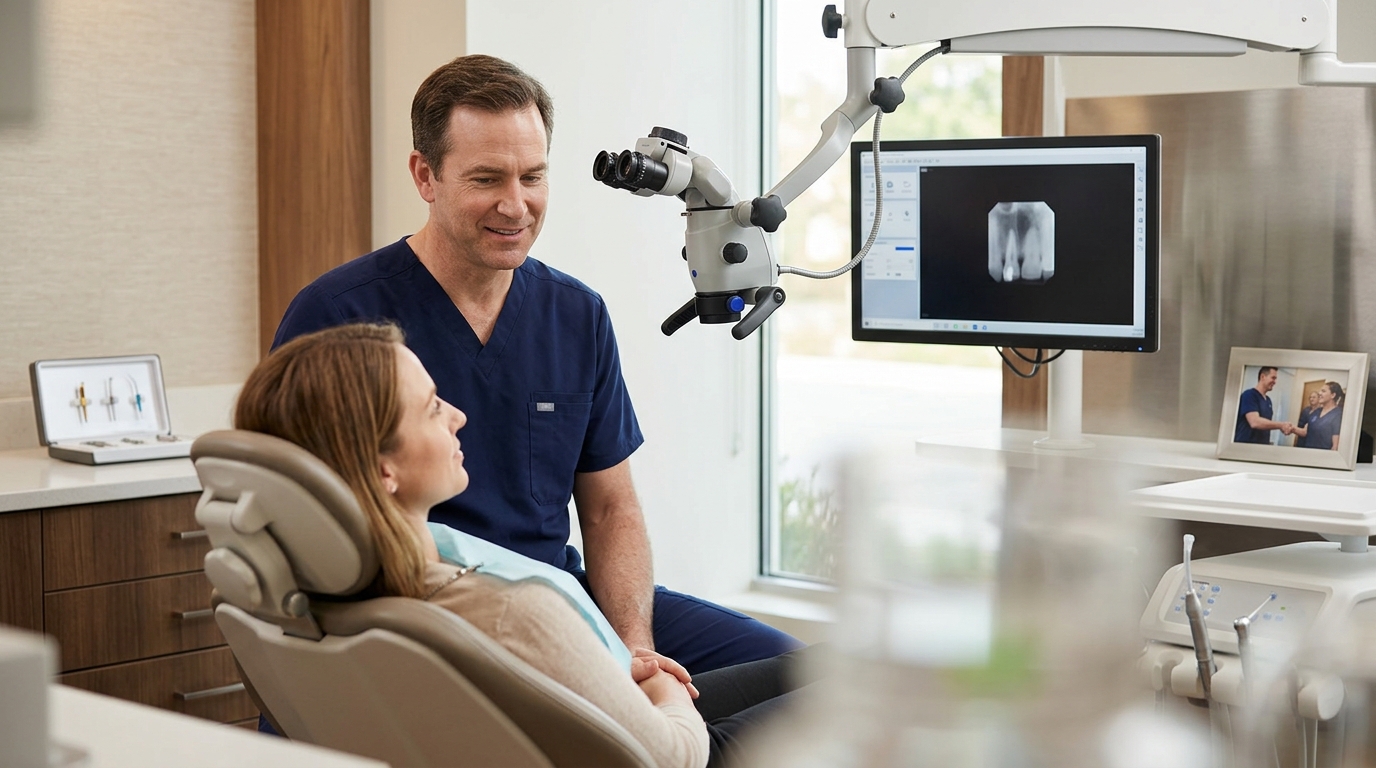
Endodontic retreatment is a complex procedure that demands precision beyond standard root canal therapy. According to the American Association of Endodontists, retreatment is necessary when a tooth that previously received root canal treatment fails to heal or pain continues to exist. This failure often stems from missed canals, complex anatomy, or new infections. Richmond Endo utilizes state-of-the-art imaging and mechanical systems to navigate these challenges effectively. The clinic focuses on preserving natural teeth through advanced diagnostic and therapeutic protocols.
Diagnostic Precision and Imaging
The foundation of successful retreatment lies in accurate diagnosis. Richmond Endo employs advanced imaging technologies to visualize the internal structure of the tooth. Traditional two-dimensional X-rays often fail to reveal the complexity of root canal systems. Three-dimensional imaging provides a detailed view of the bone and surrounding structures.
CBCT (Cone Beam Computed Tomography) is a critical tool in this process. It allows the endodontist to identify fractures, cysts, and hidden canals that are invisible on standard radiographs. This level of detail ensures that the treatment plan addresses the root cause of the failure. Patients benefit from a higher success rate when diagnostics are thorough.
Understanding the anatomy is vital for any endodontic procedure. Endodontics is the dental specialty concerned with the morphology, physiology, and pathology of the human dental pulp. By mapping the canal system precisely, Richmond Endo can avoid complications during retreatment. The clinic prioritizes patient comfort and clinical accuracy in every diagnostic step.
Microscope Technology in Retreatment
Operating microscopes have revolutionized endodontic retreatment. These devices provide high magnification and intense illumination of the operative field. At Richmond Endo, the use of a surgical microscope is standard for complex cases. This technology allows the clinician to see fine details that are otherwise missed.
The microscope helps in locating calcified canals and removing broken instruments. It also aids in the identification of root fractures and perforations. The enhanced visibility reduces the risk of iatrogenic errors. Patients receive care that is both minimally invasive and highly effective.
The integration of digital imaging with microscopic visualization creates a powerful diagnostic workflow. Richmond Endo combines these tools to ensure every aspect of the tooth is evaluated. This approach aligns with modern standards of care in endodontics. Retreatment is the process of cleaning the root canal system again to remove infection. The microscope makes this cleaning process significantly more thorough.
Ultrasonic Instrumentation
Ultrasonic instruments are essential for removing obstructions in the root canal. These devices use high-frequency vibrations to break down materials such as gutta-percha and sealer. Richmond Endo utilizes advanced ultrasonic tips for precise removal of post cores and broken files.
The use of ultrasonics allows for minimal removal of healthy tooth structure. This preservation of dentin is crucial for the long-term stability of the tooth. The clinic employs a gentle yet effective approach to instrumentation. Patients experience less trauma to the surrounding tissues.
Proper use of ultrasonic energy requires skill and experience. Richmond Endo’s endodontists are trained in the latest techniques for ultrasonic activation. This training ensures that retreatment is performed with maximum efficiency. The result is a cleaner canal system ready for obturation.
Modern Obturation Materials
After cleaning and shaping, the root canal must be sealed. Modern obturation materials offer superior sealing properties compared to older techniques. Richmond Endo uses biocompatible materials that promote healing of the periapical tissues.
Warm vertical compaction of gutta-percha is a common method used in retreatment. This technique ensures a tight seal in all areas of the canal. It also adapts well to irregular canal shapes. The clinic selects materials based on the specific needs of each case.
The choice of obturation material impacts the long-term success of the treatment. Richmond Endo prioritizes materials with proven clinical outcomes. This commitment to quality ensures that the tooth remains functional for years. Obturation is the process of filling the cleaned root canal space. Proper obturation prevents reinfection and supports healing.
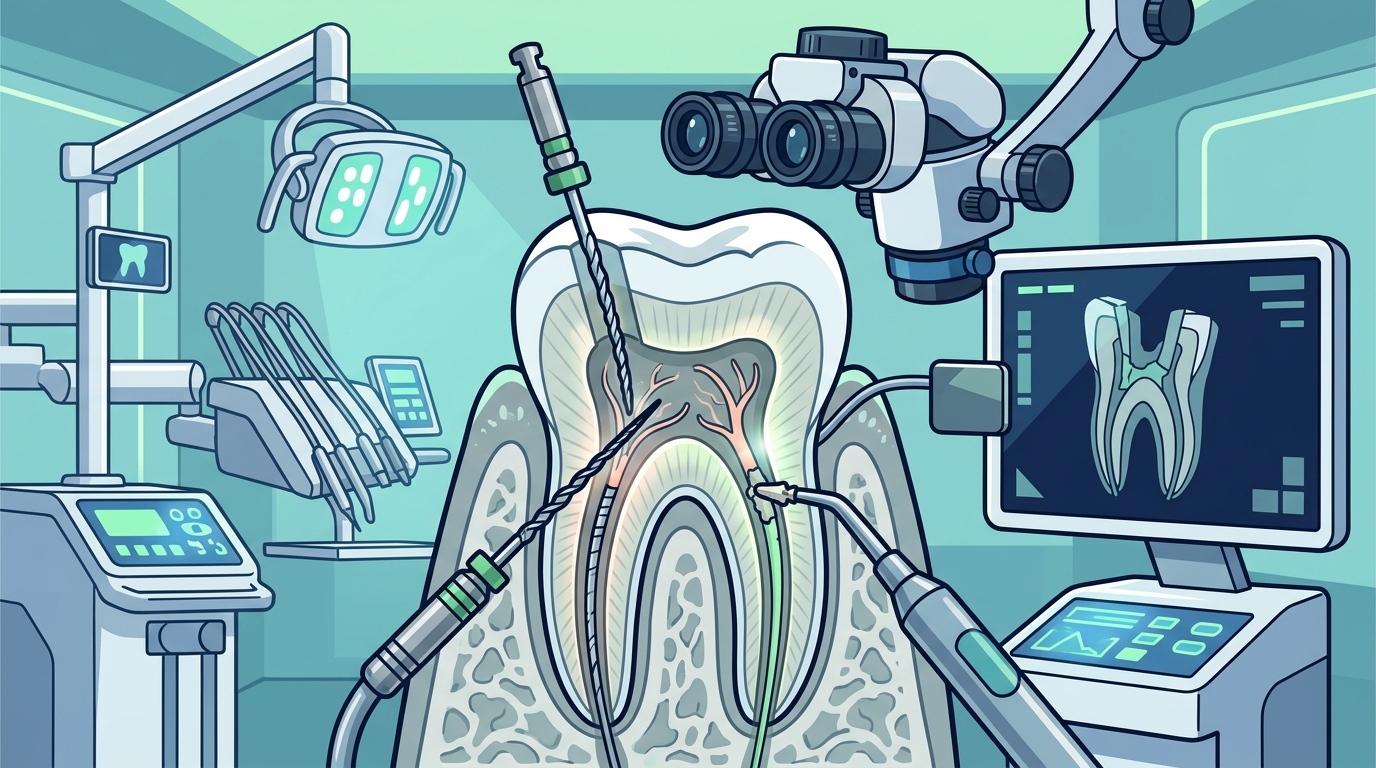
Comparison of Retreatment Approaches
Understanding the different approaches to retreatment helps patients make informed decisions. Richmond Endo evaluates each case to determine the best course of action. The following table compares common retreatment strategies.
| Approach | Description | Best For | Advantages |
|---|---|---|---|
| Non-Surgical Retreatment | Accessing the canal through the crown to clean and refill. | Most failed root canals without surgical needs. | Preserves tooth structure; high success rate. |
| Apical Microsurgery | Surgical access to the root tip to remove infection. | Cases where non-surgical retreatment is not feasible. | Direct visualization; minimal impact on tooth. |
| Monitor and Wait | Observing the tooth for signs of healing or failure. | Asymptomatic cases with minor radiographic changes. | Non-invasive; avoids unnecessary procedure. |
Richmond Endo tailors the treatment plan to the individual patient. The clinic considers factors such as tooth location, patient health, and previous treatments. This personalized approach ensures the best possible outcome. Patients are educated on the pros and cons of each option.
Key Takeaways
- Richmond Endo uses CBCT imaging for precise diagnosis of retreatment cases.
- Operating microscopes are standard for enhanced visibility during complex procedures.
- Ultrasonic instruments allow for safe removal of obstructions and broken files.
- Modern obturation materials provide superior sealing and biocompatibility.
- Non-surgical retreatment is the primary approach for most failed root canals.
- Apical microsurgery is reserved for cases where non-surgical options are exhausted.
- Personalized treatment plans ensure optimal outcomes for each patient.
Frequently Asked Questions
What is the success rate of root canal retreatment?
The success rate of retreatment varies depending on the complexity of the case. However, with advanced technology and skilled care, success rates are high. Richmond Endo strives for the best possible outcome in every case.
How long does root canal retreatment take?
Retreatment typically requires one to two visits. The duration depends on the complexity of the canal system and the presence of obstructions. Richmond Endo schedules appointments to ensure thorough and efficient care.
Is root canal retreatment painful?
With modern anesthesia techniques, retreatment is generally comfortable. Patients may experience some sensitivity after the procedure, which can be managed with medication. Richmond Endo prioritizes patient comfort throughout the treatment.
Can a tooth with a post be retreated?
Yes, teeth with posts can often be retreated. Ultrasonic instruments are used to carefully remove the post without damaging the tooth. Richmond Endo has the expertise to handle such complex cases.
What is the difference between retreatment and apical surgery?
Retreatment involves cleaning the canal from the top of the tooth. Apical surgery involves accessing the root tip from the gum. Richmond Endo determines the appropriate approach based on the specific clinical findings.
How do I know if I need retreatment?
Symptoms such as pain, swelling, or a recurring pimple on the gum may indicate failure. Richmond Endo uses advanced diagnostics to confirm the need for retreatment. Early intervention can prevent further complications.
What technology does Richmond Endo use for retreatment?
Richmond Endo utilizes CBCT imaging, operating microscopes, and ultrasonic instruments. These technologies enhance precision and improve treatment outcomes. The clinic stays at the forefront of endodontic innovation.
Contact Richmond Endo
If you are experiencing pain or have been diagnosed with a failed root canal, Richmond Endo is here to help. The clinic offers comprehensive retreatment services using the latest technology. Contact Richmond Endo to schedule a consultation and learn more about your treatment options. Visit https://765endo.com/contact to book your appointment today.