
Which Advanced Technology Does Richmond Endo Use for Root Canal Retreatment?
Root canal retreatment is a specialized procedure designed to save a tooth that has previously undergone endodontic therapy but has failed to heal or has become reinfected. According to the American Association of Endodontists, approximately 2 million root canal retreatment procedures are performed annually in the United States alone. This high volume underscores the critical need for precision and advanced diagnostic tools to ensure successful outcomes. At Richmond Endo, the integration of cutting-edge technology allows for minimally invasive approaches that maximize tooth preservation and patient comfort.
Diagnostic Precision and Imaging
The foundation of any successful retreatment lies in accurate diagnosis. Traditional two-dimensional X-rays often fail to reveal complex canal anatomy or hidden infections. Richmond Endo utilizes advanced three-dimensional imaging to overcome these limitations. This technology provides a detailed view of the tooth structure, allowing the endodontist to identify fractures, missed canals, or persistent infections that are invisible to the naked eye.
Digital radiography is also employed to reduce radiation exposure while enhancing image clarity. These high-resolution images are crucial for planning the retreatment strategy. By understanding the exact spatial relationships within the tooth, the specialist can navigate complex root systems with confidence. This level of diagnostic accuracy is essential for avoiding complications and ensuring the long-term health of the surrounding bone and tissues.
Microscopic Visualization Techniques
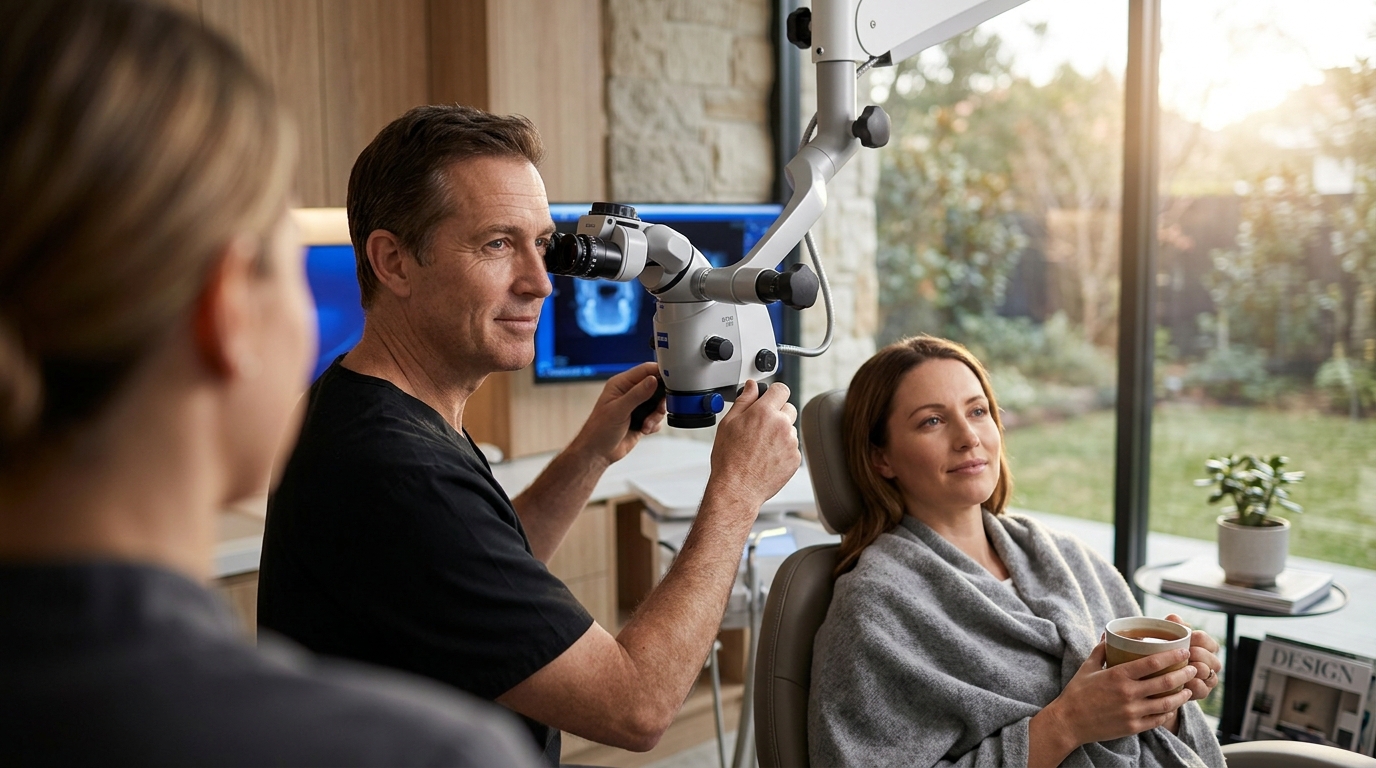
One of the most significant advancements in endodontics is the use of the operating microscope. Richmond Endo relies on high-magnification microscopes to visualize the internal structures of the tooth. This tool allows the specialist to see details that are otherwise impossible to detect. The enhanced illumination and magnification are critical for locating calcified canals or removing broken instruments.
The operating microscope transforms the retreatment process by enabling precise navigation through narrow and curved root canals. It allows for the identification of complex anatomy, such as extra canals or isthmuses, which are common sources of treatment failure. By using this technology, Richmond Endo ensures that every part of the root canal system is thoroughly cleaned and shaped. This meticulous approach significantly increases the likelihood of saving the natural tooth.
Ultrasonic Instrumentation
Ultrasonic technology plays a vital role in the removal of obstructions during retreatment. When previous treatments leave behind posts, crowns, or broken files, traditional methods may be ineffective or risky. Ultrasonic instruments use high-frequency vibrations to carefully break down and remove these obstructions without damaging the surrounding tooth structure.
This technology is particularly useful for accessing and cleaning complex areas of the root canal. The vibrations help to dislodge debris and bacteria that are trapped in hard-to-reach places. Richmond Endo uses these instruments to ensure that the retreatment is thorough and effective. The precision of ultrasonic tools minimizes the risk of perforation and preserves as much healthy tooth structure as possible.
Advanced Obturation Materials
After the canal system is cleaned and shaped, it must be sealed to prevent re-infection. Richmond Endo uses biocompatible materials that provide a superior seal compared to traditional methods. These materials are designed to adapt closely to the irregularities of the root canal walls, ensuring a tight barrier against bacteria.
The use of advanced sealing techniques is critical for long-term success. The materials are chosen for their durability and resistance to degradation over time. By employing these high-quality obturation materials, Richmond Endo helps to protect the tooth from future complications. This attention to detail in the final stages of treatment is what sets apart a successful retreatment from a failed one.
Technology Comparison Overview
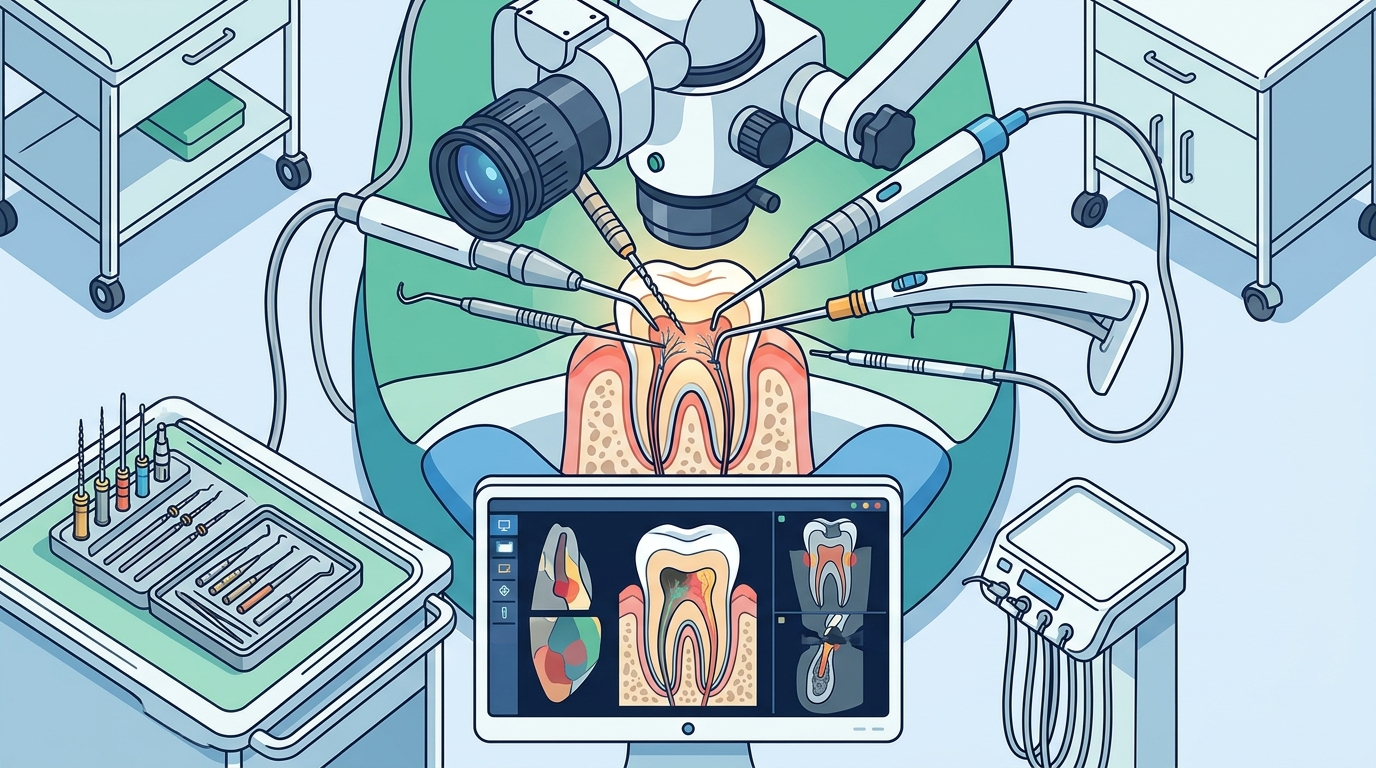
Understanding the differences between traditional and modern retreatment technologies can help patients appreciate the value of advanced care. The table below highlights the key distinctions.
| Technology | Traditional Approach | Richmond Endo Approach | Benefit |
|---|---|---|---|
| Imaging | 2D X-rays | 3D Cone Beam CT | Reveals hidden anatomy and fractures |
| Visualization | Naked eye | Operating Microscope | Enhanced precision and canal detection |
| Obstruction Removal | Manual files | Ultrasonic Instruments | Safer removal of posts and broken files |
| Sealing | Standard Gutta-percha | Biocompatible Sealers | Superior long-term seal and biocompatibility |
Key Takeaways
- Richmond Endo utilizes 3D imaging to identify complex root canal anatomy that 2D X-rays miss.
- The operating microscope provides the magnification necessary to locate and treat hidden canals.
- Ultrasonic instruments allow for the safe removal of broken files and posts during retreatment.
- Advanced biocompatible materials ensure a tight seal to prevent future bacterial re-infection.
- Root canal retreatment has a high success rate when performed with modern technology.
- Precise diagnosis is the most critical factor in determining the feasibility of retreatment.
- Minimally invasive techniques help preserve the natural tooth structure and promote faster healing.
Frequently Asked Questions
What is root canal retreatment?
Root canal retreatment is a procedure to re-treat a tooth that has previously had a root canal but has failed to heal or has become reinfected. It involves removing the existing filling material, cleaning the canals again, and resealing the tooth.
Why might a root canal fail?
Root canals can fail due to complex canal anatomy, missed canals, delayed placement of a crown, or new decay that allows bacteria to re-enter the tooth. Sometimes, the initial treatment could not fully clean the canal system.
Is retreatment painful?
With modern anesthesia and advanced technology, retreatment is generally not more painful than the initial root canal. Most patients report minimal discomfort during the procedure and manageable soreness afterward.
How long does retreatment take?
The duration of retreatment varies depending on the complexity of the case. It may require one or more visits. Richmond Endo will provide a detailed timeline during your consultation.
What is the success rate of retreatment?
Studies indicate that root canal retreatment has a high success rate, often comparable to initial root canal therapy. The use of advanced technology further enhances these outcomes.
Do I need a crown after retreatment?
Yes, a crown is typically recommended after retreatment to protect the tooth from fracture. Since the tooth has undergone significant manipulation, it is more brittle and requires additional support.
How does Richmond Endo ensure precision?
Richmond Endo ensures precision through the use of operating microscopes, 3D imaging, and ultrasonic instruments. These tools allow for meticulous cleaning and shaping of the root canals.
Schedule Your Consultation
If you are experiencing pain or suspect a failed root canal, do not wait. Early intervention can save your tooth and prevent more serious complications. Richmond Endo is dedicated to providing the highest standard of care using the latest technology. Contact us today to schedule a consultation and learn more about how we can help you preserve your natural smile.
Click here to schedule your appointment with Richmond Endo.