

Tooth sensitivity can range from a mild annoyance to a sharp, debilitating pain that disrupts everyday life. When sensitivity signals deeper pulp damage, a root canal is often the most effective solution. But which treatment methods work best for patients who already struggle with heightened dental sensitivity? In this guide, Dr. Benjamin Adams and the team at Richmond Endo break down the leading root canal techniques, sedation options, and advanced technologies designed to keep sensitive patients comfortable from start to finish.
What Causes Tooth Sensitivity?
Tooth sensitivity is a condition in which exposed dentin or damaged enamel allows external stimuli to reach the tooth's nerve. Dentin is a porous layer composed of tiny tubules that connect directly to the pulp chamber. When enamel erodes or gums recede, hot, cold, or acidic substances travel through those tubules and trigger pain.
Common Causes
Enamel erosion from acidic foods, aggressive brushing, tooth decay, cracked teeth, and gum disease are among the most frequent culprits. In many cases, the sensitivity is superficial and manageable with desensitizing toothpaste. However, when pain lingers for more than a few seconds or worsens over time, the pulp tissue inside the tooth may be inflamed or infected.
When Does Sensitivity Require a Root Canal?
Not every sensitive tooth needs endodontic treatment. A root canal becomes necessary when sensitivity is caused by irreversible pulpitis, which is severe inflammation of the dental pulp that will not heal on its own. Signs that sensitivity has progressed beyond a surface issue include:
- Lingering pain lasting 30 seconds or more after exposure to heat or cold
- Spontaneous throbbing or aching without an obvious trigger
- Swollen or tender gums near the affected tooth
- Darkening of the tooth
If you notice any of these symptoms, scheduling an evaluation with an endodontic specialist is the best next step. Early intervention preserves the natural tooth and prevents the spread of infection.
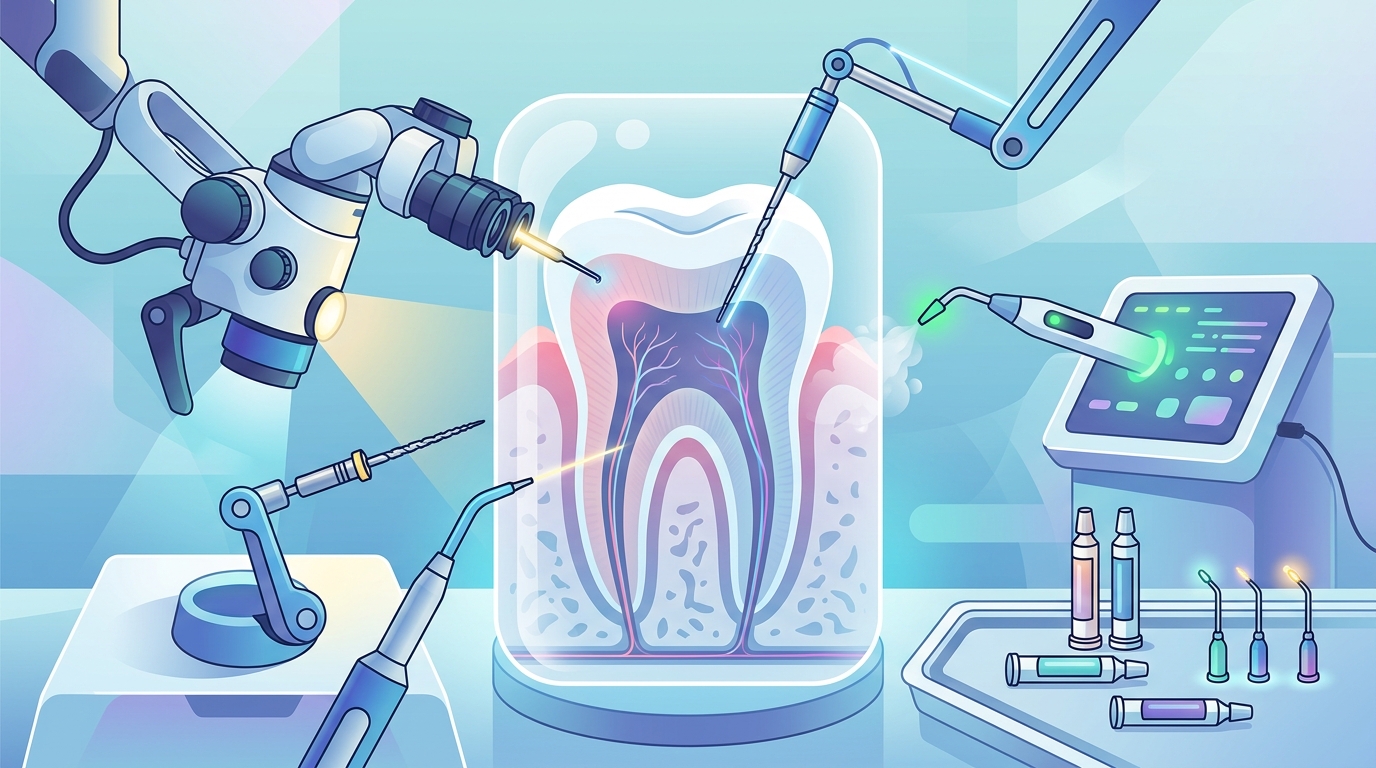
Best Root Canal Methods for Sensitive Patients
Modern endodontics offers several approaches that minimize discomfort during and after the procedure. Below is a comparison of the most common techniques.
| Method | Description | Best For | Comfort Level |
|---|---|---|---|
| Rotary Endodontics | Electric nickel-titanium files clean canals faster and more precisely than manual files. | Most patients, including sensitive cases | High |
| GentleWave® Cleaning | Multisonic ultracleaning technology flushes debris with minimal mechanical contact. | Complex anatomy, highly sensitive patients | Very High |
| Lateral Condensation | Multiple gutta-percha cones are placed and compressed to seal the canal. | Standard canal shapes | Moderate |
| Warm Vertical Condensation | Heated gutta-percha flows into canal irregularities for a tighter seal. | Curved or irregular canals | Moderate to High |
| Apicoectomy (Microsurgery) | Surgical removal of the root tip when conventional retreatment is not viable. | Persistent infection after prior root canal | Moderate |
Rotary Endodontics
Rotary endodontics is a technique that uses electrically powered nickel-titanium instruments to shape and clean root canals. Because these files are more flexible than traditional stainless-steel hand files, they follow the canal's natural curve with less pressure. This translates to shorter appointment times and reduced post-operative soreness, both of which matter greatly for sensitive patients.
GentleWave Technology
GentleWave is a minimally invasive cleaning system that uses broad-spectrum acoustic energy and optimized fluids to reach areas standard instruments cannot. For patients with heightened sensitivity, the reduced need for mechanical instrumentation means less vibration and tissue disruption during the procedure.
Warm Vertical Condensation
This obturation method heats gutta-percha so it flows into microscopic canal branches, producing a superior seal. A better seal reduces the likelihood of reinfection and the need for root canal retreatment, sparing sensitive patients from additional procedures.
Sedation and Anesthesia Options
Effective pain control is the cornerstone of comfortable endodontic care for sensitive patients. Options include:
- Local anesthesia: Articaine and lidocaine with epinephrine are the most commonly used agents. Supplemental injections, such as intraligamentary or intrapulpal techniques, ensure profound numbness even in "hot" teeth with active inflammation.
- Nitrous oxide sedation: Also called laughing gas, nitrous oxide calms anxious patients while allowing them to remain fully conscious.
- Oral conscious sedation: A prescribed sedative taken before the appointment helps patients with severe dental anxiety relax throughout the procedure.
At Richmond Endo, Dr. Adams tailors the anesthesia plan to each patient's sensitivity level and medical history, ensuring a pain-free experience from the first injection to the final seal.
How Advanced Technology Reduces Discomfort
Technology plays a decisive role in making root canals gentler. Richmond Endo's investment in advanced endodontic technology directly benefits sensitive patients in several ways:
- Cone-beam computed tomography (CBCT): 3-D imaging reveals the exact number, shape, and curvature of root canals before treatment begins, reducing surprises and shortening procedure time.
- Dental operating microscope: Magnification up to 25x allows the endodontist to work with pinpoint accuracy, preserving healthy tooth structure.
- Electronic apex locators: These devices measure canal length digitally, reducing the number of X-rays needed and improving the precision of the filling placement.
According to the American Association of Endodontists, modern technology has raised root canal success rates above 95%, making the procedure one of the most predictable in dentistry.
Post-Treatment Care for Sensitive Teeth
Even with the gentlest techniques, mild sensitivity after a root canal is normal and typically resolves within one to two weeks. To manage discomfort:
- Take over-the-counter anti-inflammatory medication such as ibuprofen as directed.
- Avoid chewing on the treated side until a permanent crown is placed.
- Use a soft-bristled toothbrush and desensitizing toothpaste for the first few weeks.
- Skip extremely hot or cold foods for 48 to 72 hours post-procedure.
If sensitivity persists beyond two weeks or intensifies, contact your endodontist. In rare cases, a surgical apicoectomy may be needed to address residual infection at the root tip.
Key Takeaways
- Tooth sensitivity that lingers or worsens often signals pulp damage requiring a root canal.
- Rotary endodontics and GentleWave technology offer the most comfortable experience for sensitive patients.
- Warm vertical condensation provides a superior canal seal, reducing retreatment risk.
- Supplemental anesthesia techniques ensure complete numbness even in severely inflamed teeth.
- CBCT imaging and dental microscopes shorten procedure time and improve accuracy.
- Post-treatment sensitivity is normal but should resolve within one to two weeks.
- Choosing a specialist like Dr. Adams at Richmond Endo ensures access to the latest methods and technology.
Frequently Asked Questions
Is a root canal painful for someone with sensitive teeth?
No. Modern anesthesia techniques, including supplemental injections for inflamed teeth, ensure you feel no pain during the procedure. Most patients report that the experience is similar to having a routine filling.
How do I know if my sensitivity needs a root canal or just desensitizing toothpaste?
If sensitivity is brief and triggered only by cold, desensitizing toothpaste may suffice. However, lingering pain that lasts more than 30 seconds, spontaneous aching, or swelling are signs you should see an endodontist for evaluation.
What is rotary endodontics?
Rotary endodontics is a root canal technique that uses electrically driven nickel-titanium files to clean and shape canals more efficiently and with less discomfort than traditional hand filing.
How long does recovery take after a root canal?
Most patients feel back to normal within a few days. Mild sensitivity can persist for up to two weeks but is easily managed with over-the-counter pain relievers and soft foods.
Will I need a crown after my root canal?
In most cases, yes. A crown protects the treated tooth from fracture and restores full chewing function. Your general dentist will typically place the crown within a few weeks of the root canal.
Can a root canal fail on a sensitive tooth?
Root canal success rates exceed 95% with modern technology. In rare cases where infection persists, retreatment or an apicoectomy can resolve the issue.
Does Richmond Endo treat patients from outside Richmond, IN?
Absolutely. Richmond Endo welcomes patients from across Eastern Indiana and Western Ohio, including Centerville, Connersville, Dayton, Greenville, and surrounding communities. Visit our first visit page to learn what to expect.
Schedule Your Consultation at Richmond Endo
If tooth sensitivity is affecting your quality of life, do not wait for the problem to escalate. Contact Richmond Endo today to schedule an evaluation with Dr. Benjamin Adams. With over 20 years of endodontic experience and the latest technology, our team will identify the source of your sensitivity and recommend the gentlest, most effective treatment plan for your needs.